
Beyond the Prototype
How 3D Printing became a real manufacturing tool
For many people, 3D printing still brings to mind small desktop machines making toys, figurines, or simple prototypes. But that picture is outdated. Today, 3D printing has moved far beyond hobby projects and has become a practical manufacturing tool used alongside CNC machines, lathes, and other factory equipment.
At its core, 3D printing also known as additive manufacturing creates parts layer by layer directly from a digital CAD model. This is very different from traditional manufacturing methods, where material is cut away from a solid block until the final shape is achieved.
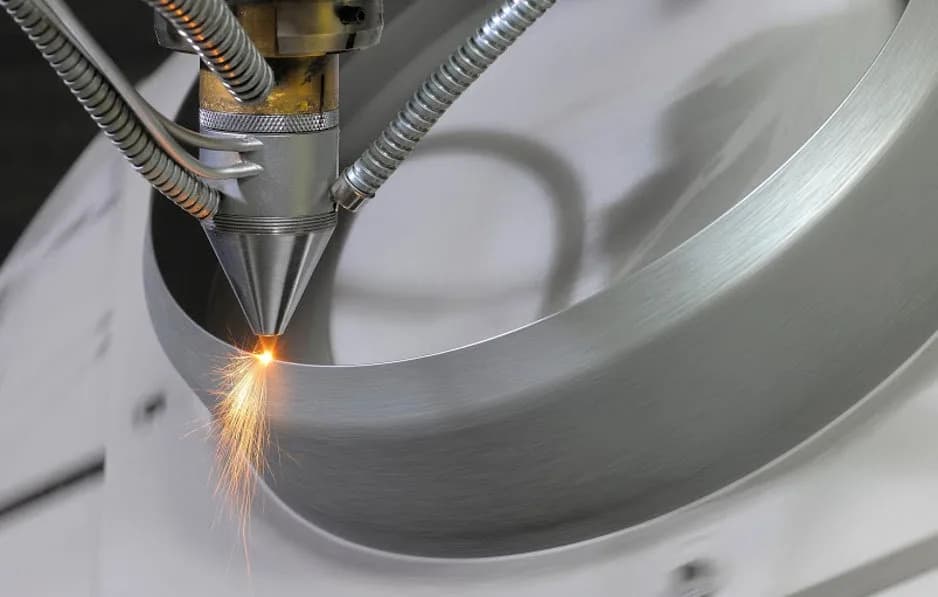
Traditional machining is highly accurate and proven, but it can be time-consuming, waste material, and struggle with highly complex designs. Additive manufacturing takes a different approach by placing material only where it is needed. This reduces waste and allows engineers to create shapes that would be difficult or impossible to produce using conventional methods.
Breaking Common Misconceptions
One of the biggest myths about 3D printing is that printed parts are not strong enough for real-world use.
That may have been true years ago, but materials have improved dramatically. Modern engineering-grade plastics and carbon-fiber-reinforced composites can produce parts strong enough for many industrial applications. In some cases, components that were once machined from aluminum can now be successfully 3D printed.
Another common misconception is cost. While industrial metal printers can cost hundreds of thousands of dollars, many production-capable polymer printers are available at a much lower investment. The right machine depends on the application, not simply the budget.
Ease of use has also improved significantly. Earlier generations of industrial printers often required experienced operators and extensive setup. Today's systems are much more user-friendly, with integrated software, automated workflows, and material profiles that help ensure consistent results.
However, one misconception remains. 3D printing is not going to replace mass production methods such as injection molding or casting. When millions of identical parts are needed, traditional manufacturing is still faster and more cost-effective.
The real strength of 3D printing lies in low-volume production, customization, rapid prototyping, and complex parts where traditional tooling costs are difficult to justify.
More Than One Technology
The term "3D printing" covers a wide range of manufacturing technologies, each designed for different materials and applications.
Fused Filament Fabrication (FFF) is one of the most common methods. It works by melting thermoplastic filament and building parts layer by layer. When carbon-fiber-filled materials are used, the resulting parts become stronger and stiffer.
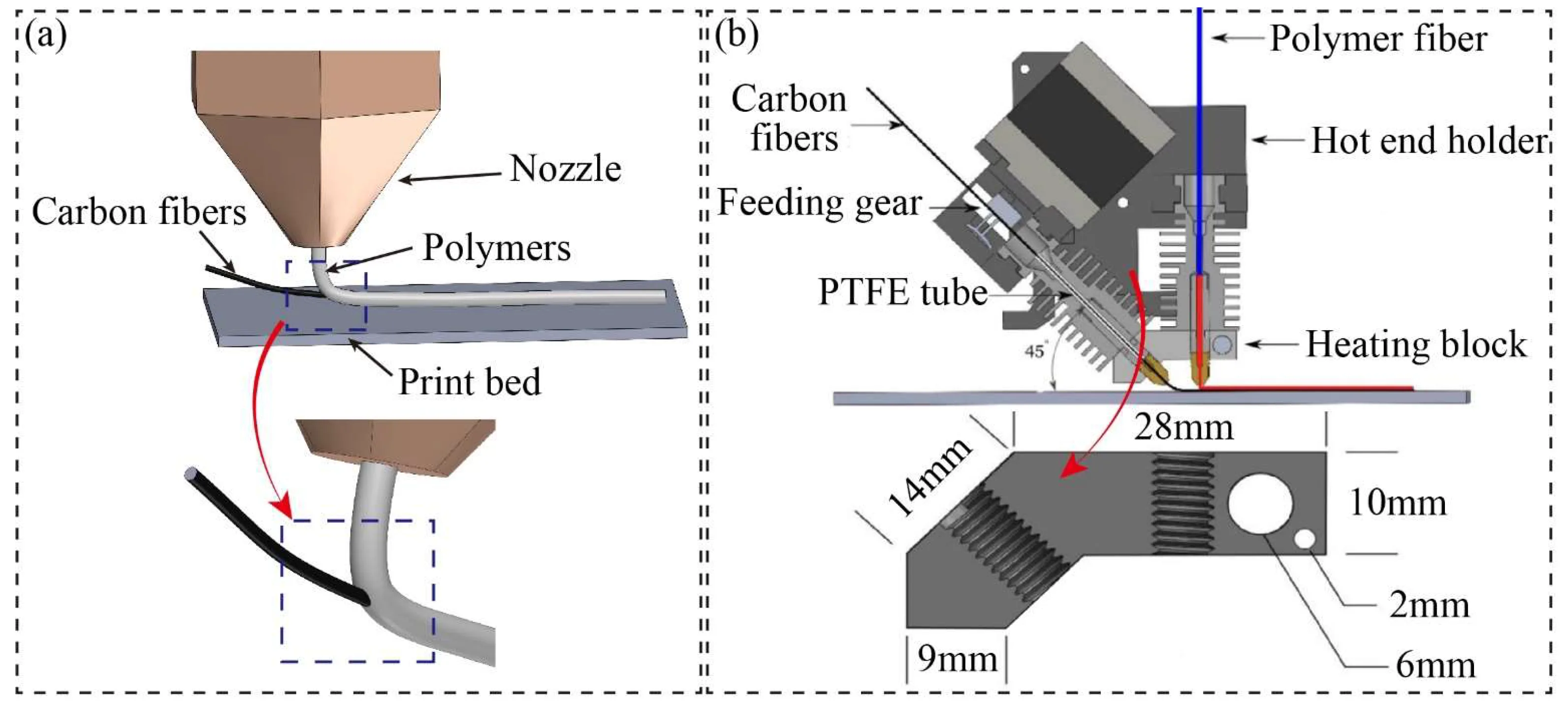
A more advanced version, Continuous Filament Fabrication (CFF), adds continuous strands of carbon fiber, fiberglass, or Kevlar into the part during printing. This creates lightweight components with impressive strength and durability.
Resin-based technologies offer higher levels of detail and smoother surface finishes. These processes are ideal for applications that require precision and excellent visual quality.
Metal 3D printing represents another major advancement. Technologies such as Selective Laser Melting (SLM) and Direct Metal Laser Sintering (DMLS) use lasers to fuse metal powder into fully functional metal parts. These methods can produce highly complex geometries that would be difficult to machine conventionally.
Binder jetting provides another route to metal manufacturing by bonding powder before final sintering. It can be faster and more cost-effective for certain applications, although additional post-processing is required.
Why manufacturers are adopting It
For most manufacturers, adopting 3D printing comes down to one question: Does it save time and money?
In many cases, the answer is yes.
3D printing excels at producing prototypes, jigs, fixtures, tooling, and low-volume production parts. By eliminating tooling requirements and reducing lead times, companies can move from design to finished part much faster.
The benefits extend beyond direct cost savings. Engineers gain greater design freedom, allowing them to create innovative products without traditional manufacturing limitations. Overnight printing can speed up development cycles, and design changes can be implemented without investing in new tooling.
Perhaps most importantly, valuable CNC machine time can be reserved for revenue-generating production work while less critical components are produced through additive manufacturing.
Conclusion
3D printing did not succeed by replacing traditional manufacturing. Instead, it found the areas where conventional methods struggle complex parts, custom products, rapid iterations, and low-volume production.
Today, it serves as another powerful tool in the manufacturing toolbox. Used in the right applications, it helps companies work faster, reduce costs, and create products that were once difficult or impossible to manufacture.
The hobbyist machines may have introduced the world to 3D printing, but modern additive manufacturing has firmly established itself as a serious production technology on the factory floor.