
Processes
Finishing
Every part can be post-processed to meet surface, aesthetic, and functional requirements before it ships.
- Anodizing
- Tumbling
- Powder Coating
- Electroless Nickel Plating
Quality Systems
Production Verified. Documentation Included.
- Certificate of Conformance
- First Article Inspection
- CMM
- Material Test Reports
- Material Certifications
- RoHS Compliance
Sheet Metal Fabrication
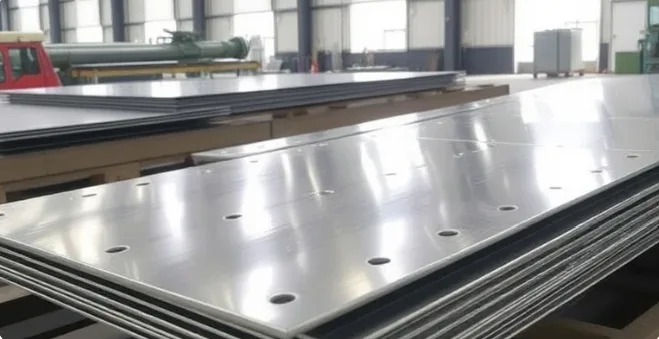
SHEET METAL MATERIALS
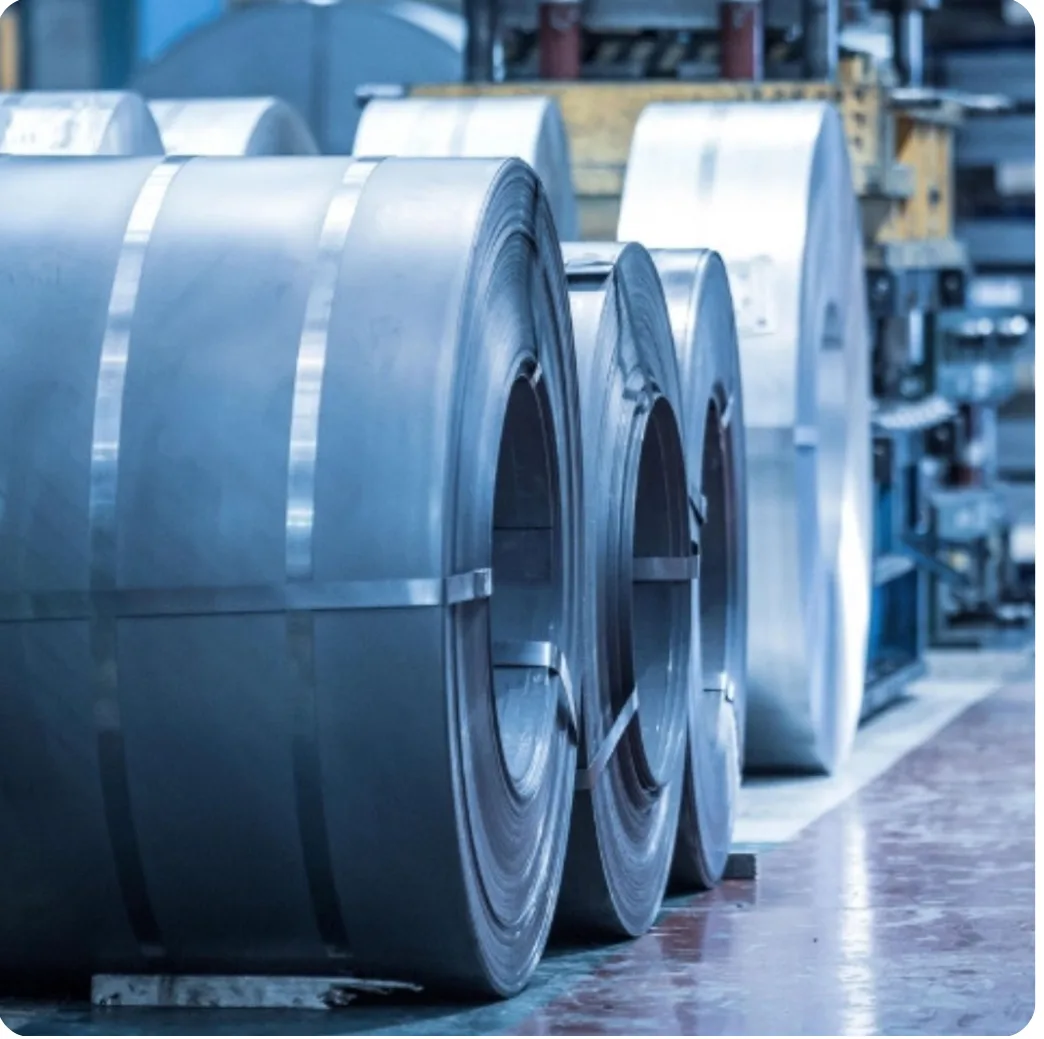
Material capability overview featuring a wide range of sheet metals and alloys, including steel, aluminum, copper, and brass, across manufacturing network.
From prototype to production, every part moves through verified manufacturing workflows built for speed, quality, and reliability.
Ecostel combines certified systems with production-ready manufacturing partners to deliver predictable outcomes at scale.
Ecostel Buyer Protection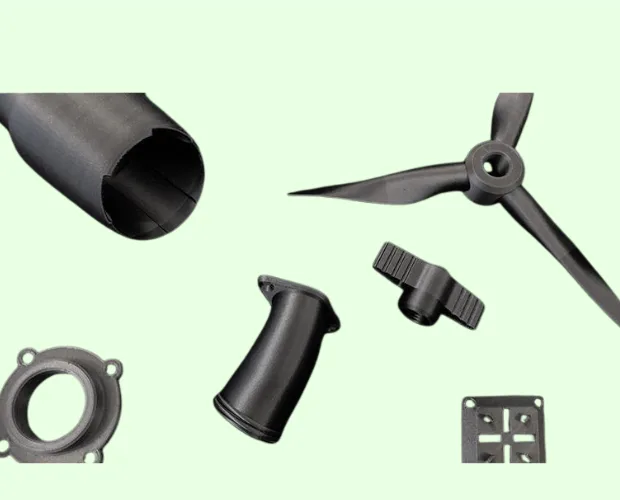
How Does Sheet Metal Fabrication Work?
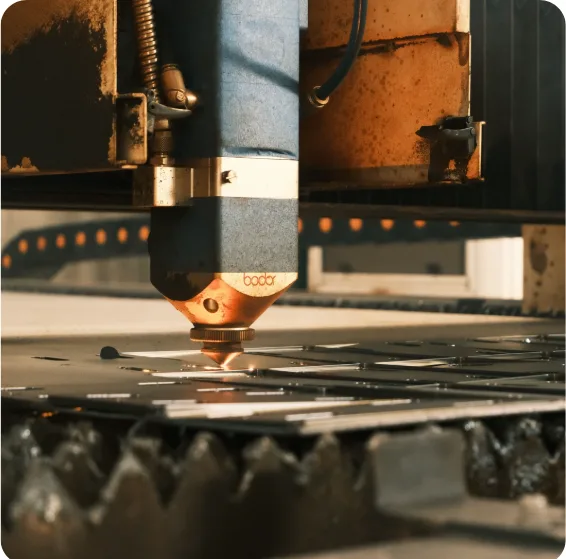
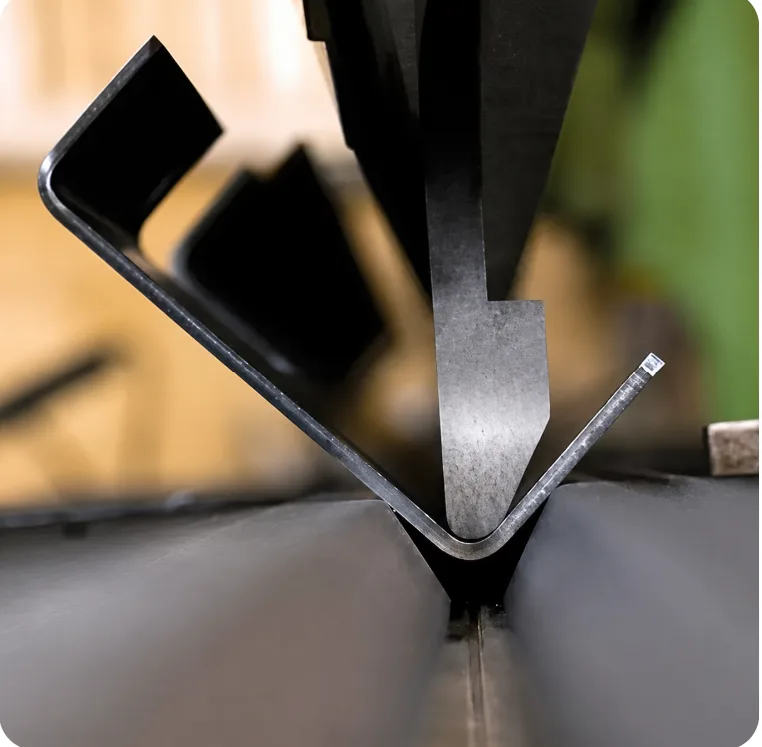
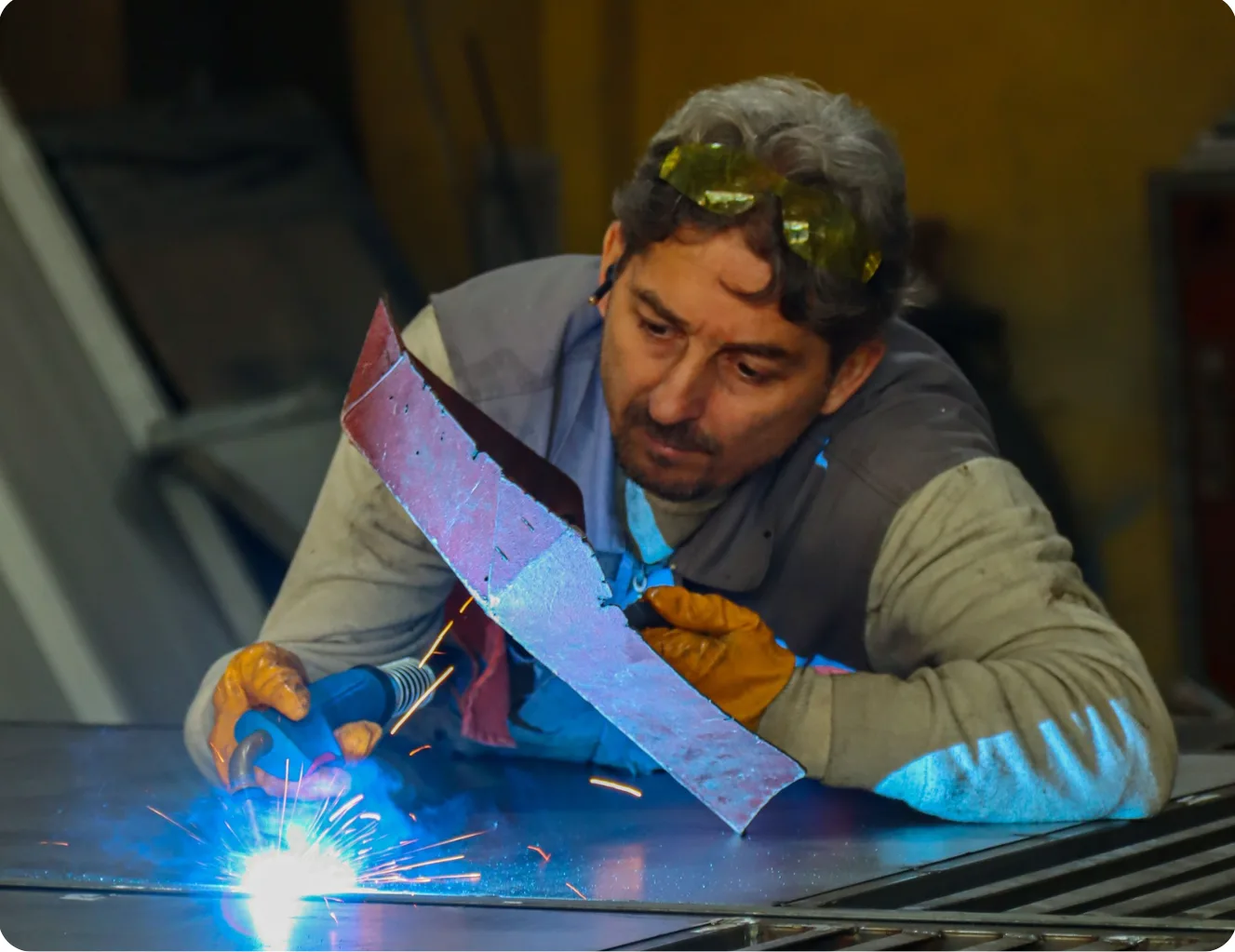
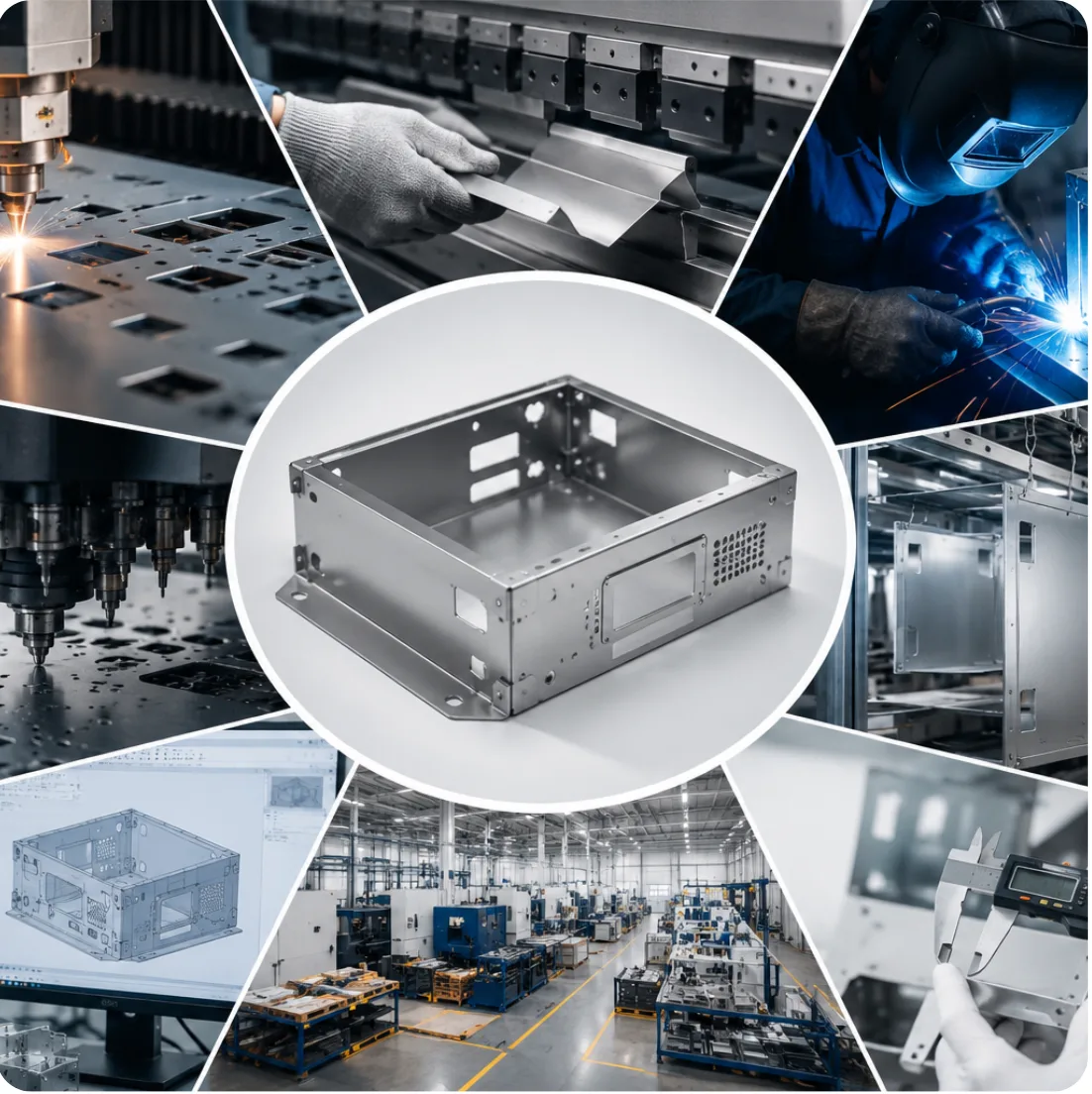
Sheet metal fabrication is the process of transforming flat metal sheets into finished components through cutting, bending, forming, welding, and surface finishing. These processes enable the production of precise and durable parts for industrial applications.
Applications
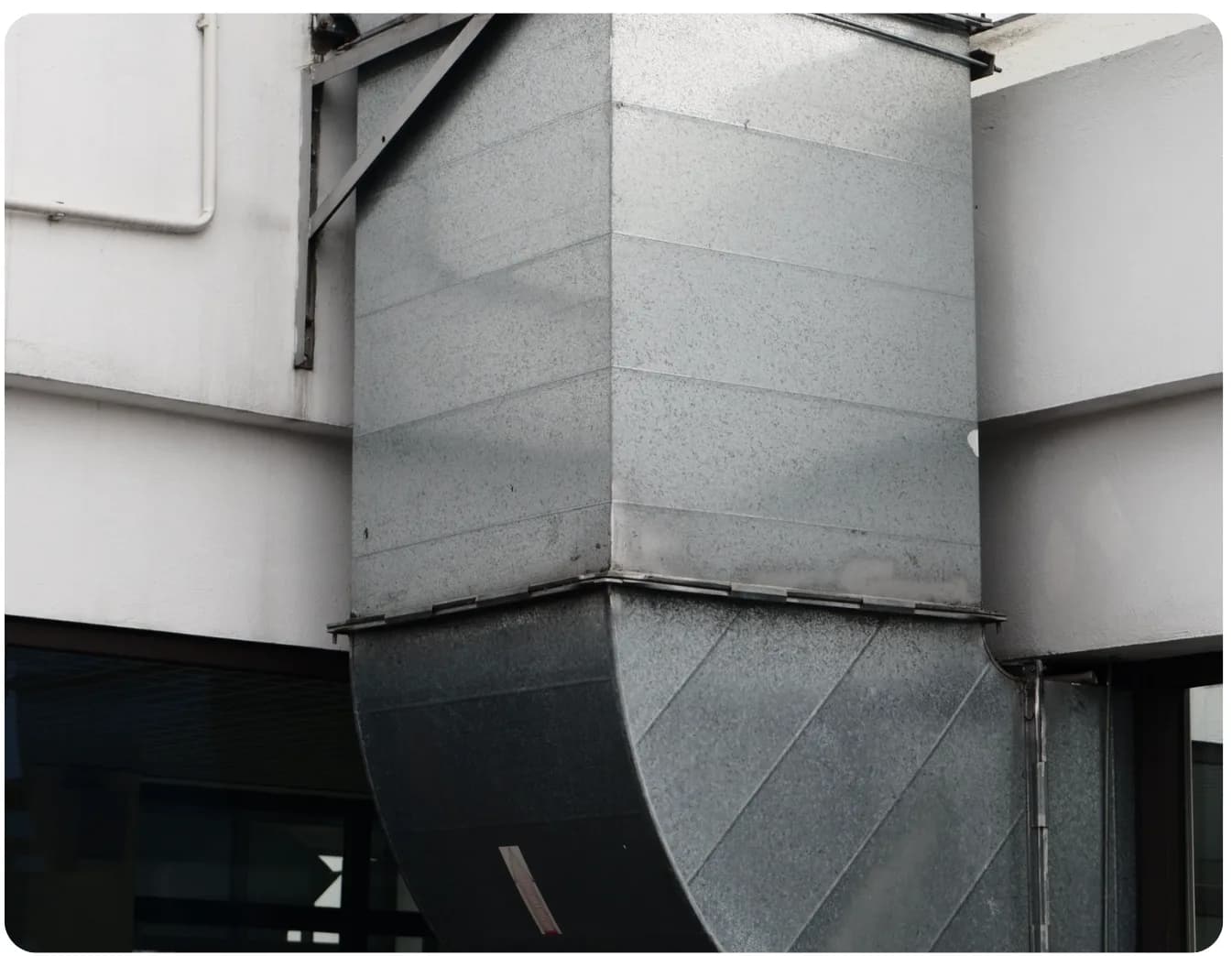
Sheet metal is widely used across industries for its strength, versatility, and cost-effectiveness, supporting applications in automotive, aerospace, electronics, construction, energy, and medical sectors.
- Automotive components
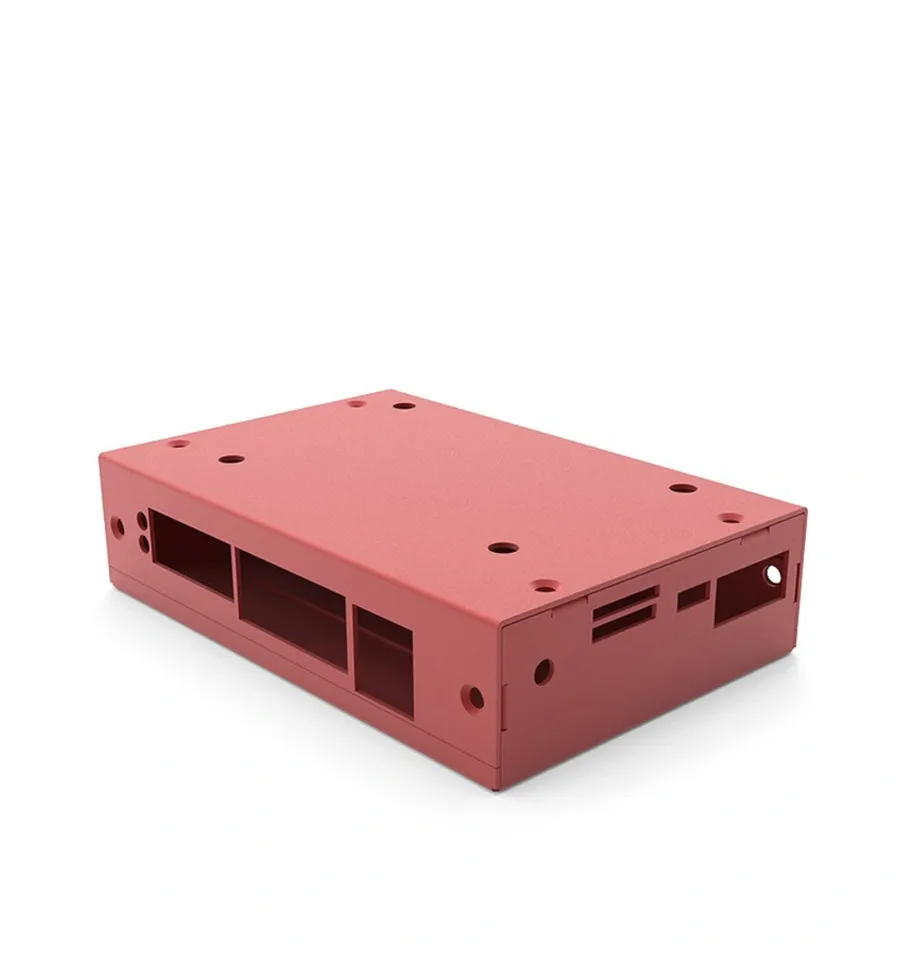
- Electronics enclosures
- Industrial equipment
- Aerospace parts
- Medical devices
- HVAC systems
- Consumer products
- Energy and electrical systems
Why Choose Ecostel for Custom Sheet Metal Fabrication?
At Ecostel, we make sheet metal manufacturing simple, fast, and reliable. With advanced technology, flexible production, and strict quality control, we help bring your ideas to life with confidence.
From Prototype to Production
From one-off prototypes to production volumes, Ecostel supports every stage of your manufacturing journey — with consistent quality from the first article to full scale.
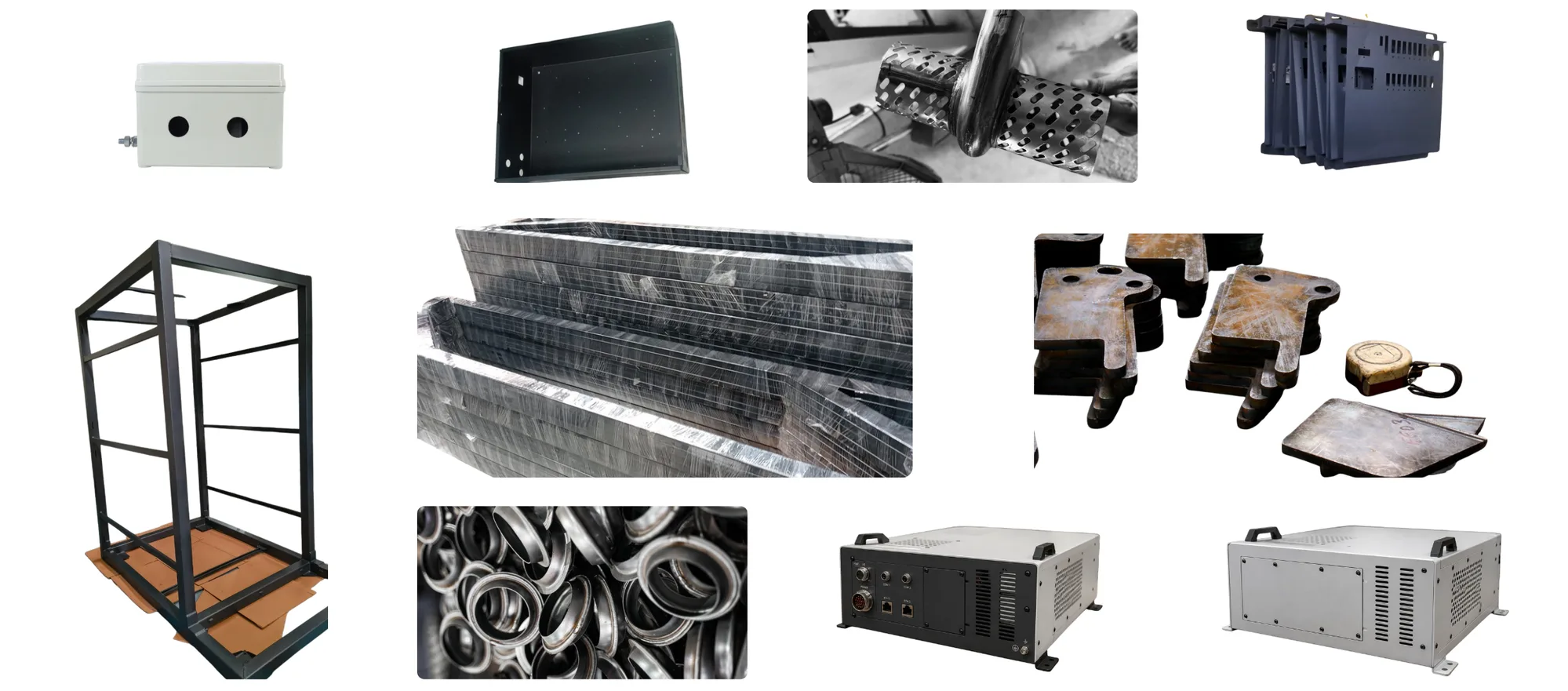
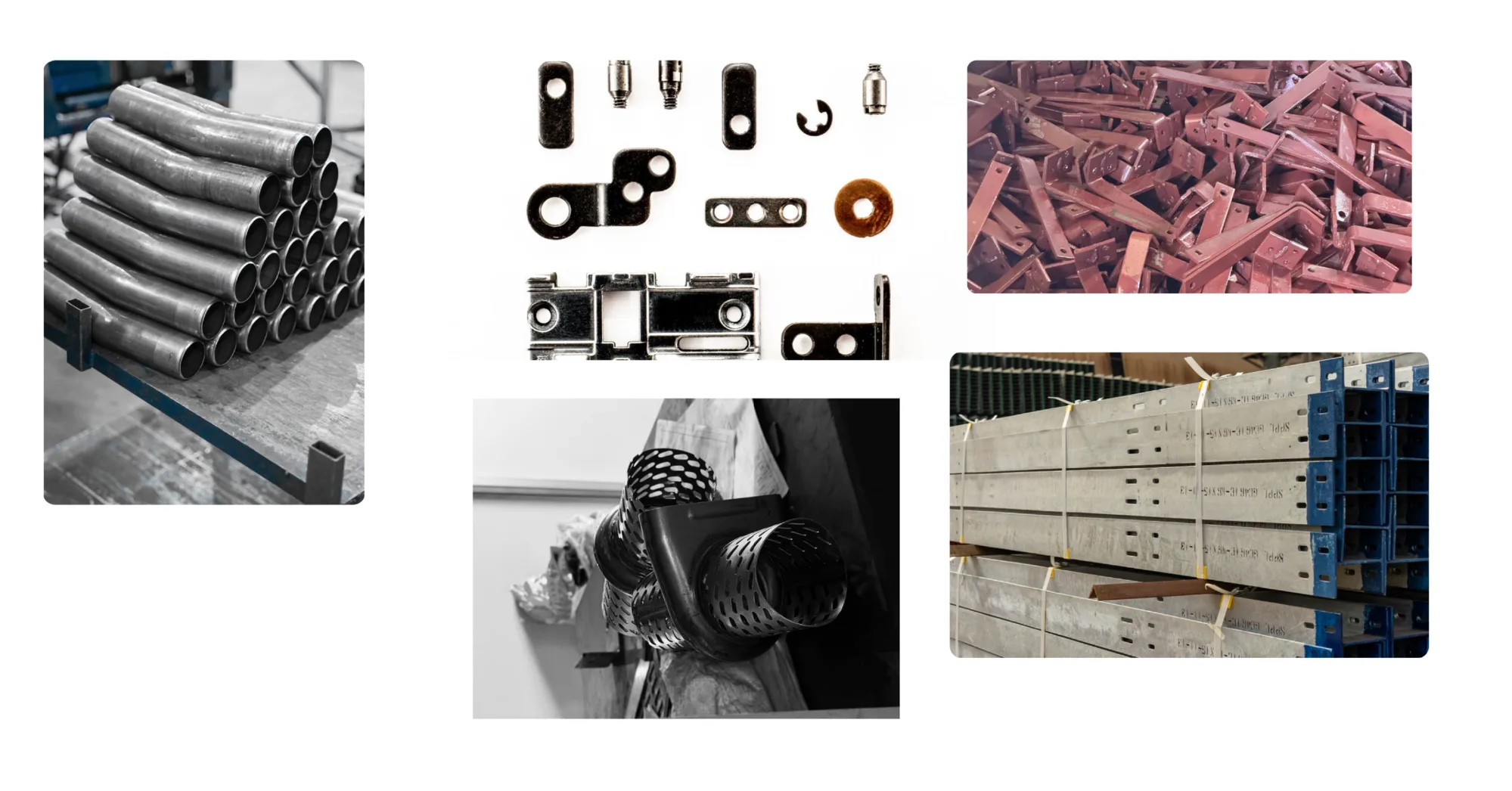
Sheet Metal Photos
Related Articles

Sheet Metal FAQs
Sheet metal fabrication is the process of converting flat metal sheets into finished parts or assemblies using cutting, bending, welding, punching, and finishing operations.
Common materials include mild steel, stainless steel, aluminum, galvanized steel, copper, and brass. Material selection depends on strength, corrosion resistance, weight, and cost requirements.
Industries include medical devices, semiconductor equipment, electronics, automotive, aerospace, energy, industrial automation, telecommunications, and construction.
Sheet metal parts typically range from 0.5 mm to 6 mm thick, though thicker materials can also be fabricated depending on the application and manufacturing process.
Cost depends on material type, thickness, part complexity, quantity, tolerances, finishing requirements, and lead time.
Most fabricators require 2D drawings (PDF/DWG) and 3D CAD files such as STEP, IGES, or SolidWorks files for accurate quoting.
Prototype parts can often be delivered within days, while production orders may take several weeks depending on complexity and volume.