
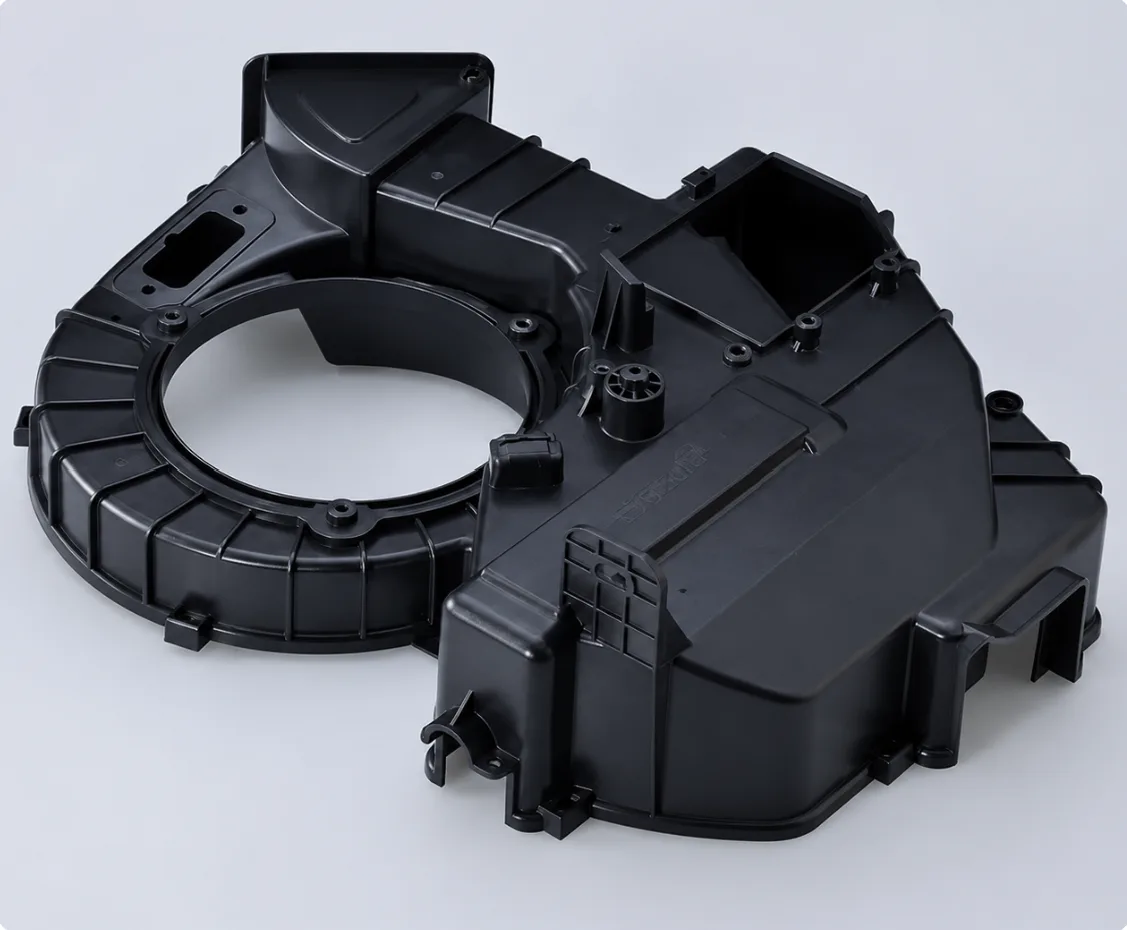
Processes
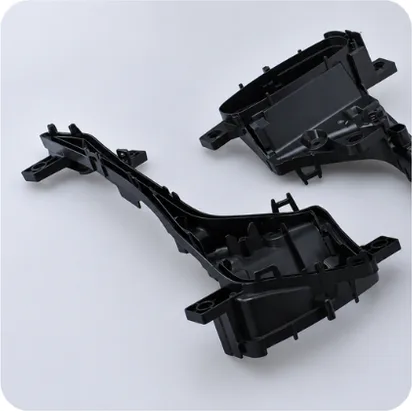
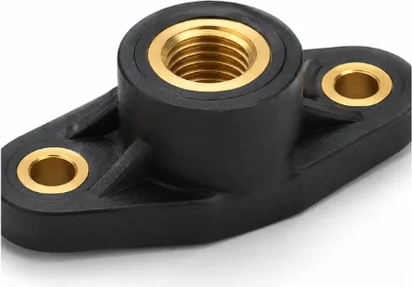
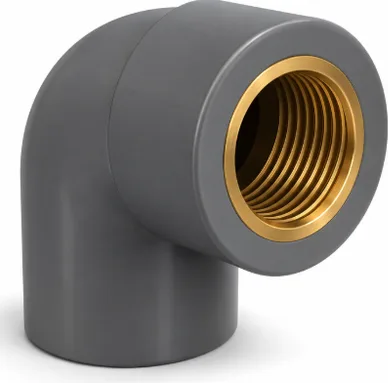
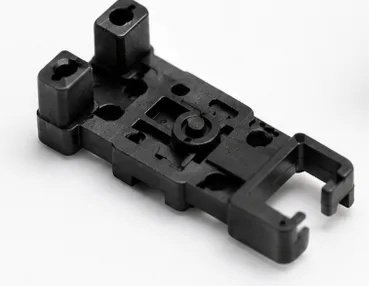
Finishing
We choose from a range of finishes to achieve the desired appearance, texture, and performance of your molded parts.
- PM-F0 – As Molded
- PM-F1 – Standard Cosmetic
- PM-F2 – Enhanced Cosmetic
- SPI-A2 – High Gloss
- SPI-B1 – Semi Gloss
- SPI-C1 – Matte
- VDI 3400 – Textured
- PM-T0 – Light Texture
- PM-T1 – Medium Texture
- PM-T2 – Heavy Texture
Quality Systems
Production Verified. Documentation Included.
- Certificate of Conformance
- First Article Inspection
- CMM Reports
- Material Test Reports
- Material Certifications
- RoHS Compliance
Injection Molding Capabilities
PLASTICS MATERIALS
Material capability overview featuring a wide range of commodity plastics, engineering resins, elastomers, and high-performance polymers for custom injection molded parts.
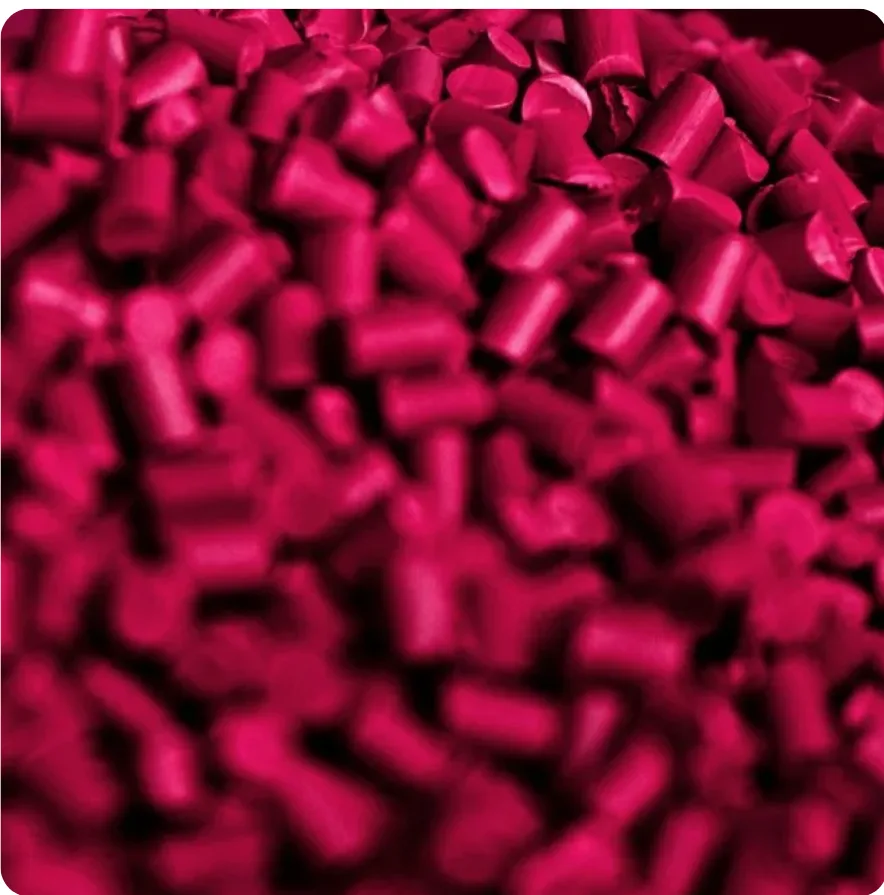
Plastics
ABSAcetal (POM / Delrin®)Acetal / POM (Polyoxymethylene)Delrin® (Acetal homopolymer)Acrylic / PMMAGlass-Filled NylonOil-Filled NylonHDPELDPEUHMW-PENylon 6Nylon 66 (PA66)Cast NylonPET (Polyethylene Terephthalate)PETG (Polyethylene Terephthalate Glycol)ETFEFEPPBT (Polybutylene Terephthalate)Polycarbonate (PC)PVCCPVC (Chlorinated Polyvinyl Chloride)PSU (Polysulfone)PPSU (Polyphenylsulfone)PFAPEI / Ultem® (Polyetherimide)PEEK (Polyether Ether Ketone)PTFE / Teflon® (Polytetrafluoroethylene)PVDF (Polyvinylidene Fluoride)FEPGarolite G10Garolite G11PhenolicPolyimide (PI)Torlon® PAI (Polyamide-Imide)PBI (Polybenzimidazole)Celeron / Linen PhenolicPolystyrene (PS)LCPPESPCTFE
From prototype to production, every part moves through verified manufacturing workflows built for speed, quality, and reliability.
Ecostel combines certified systems with production-ready manufacturing partners to deliver predictable outcomes at scale.
Ecostel Buyer Protection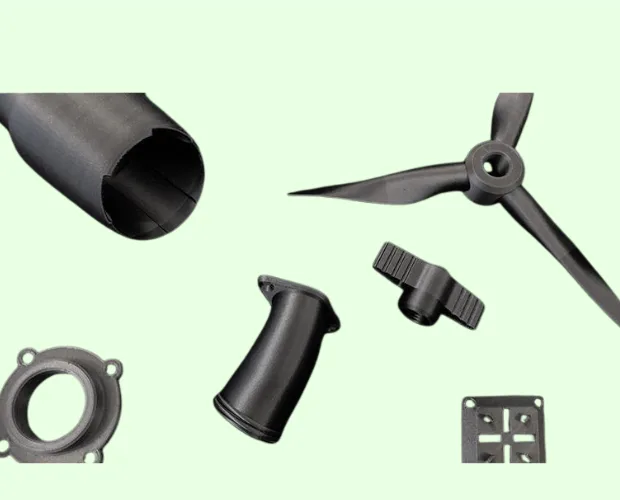
How Does Injection Molding Work?
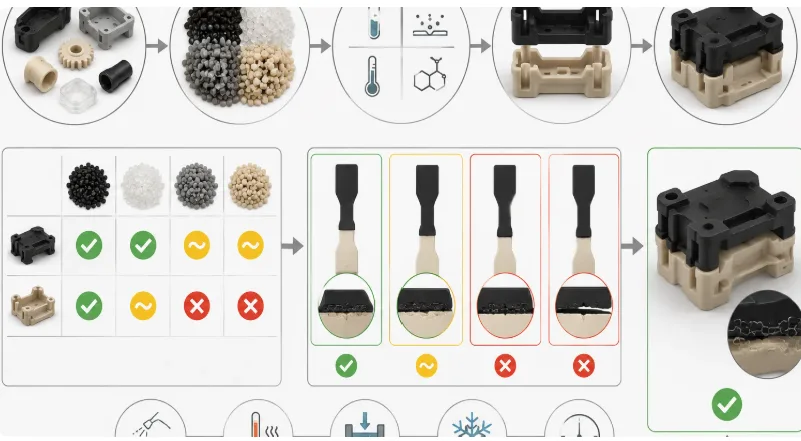
Injection molding works by melting plastic resin and injecting it under high pressure into a precision-machined mold cavity. Once the material cools and solidifies, the mold opens and the finished part is ejected. This process enables fast, repeatable production of complex plastic parts with tight tolerances and consistent quality.
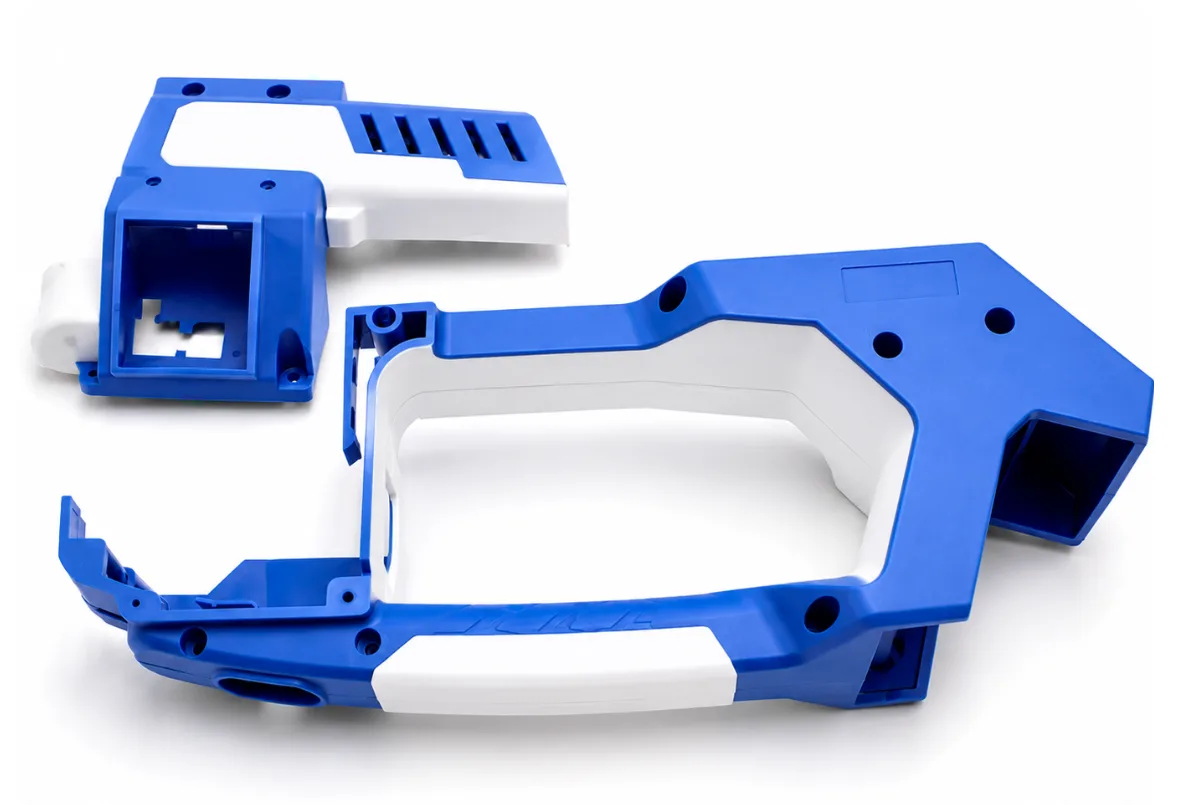
Applications
Injection molding is used to produce precise and repeatable plastic components for a wide range of industries. Its ability to manufacture complex geometries at scale makes it a preferred solution for medical, electronics, industrial, automotive, aerospace, and consumer product applications.
- Automotive Components
- Medical Devices
- Electronics Enclosures
- Industrial Equipment
- Consumer Products
- Aerospace Components
- Energy & Electrical Systems
- Semiconductor Equipment
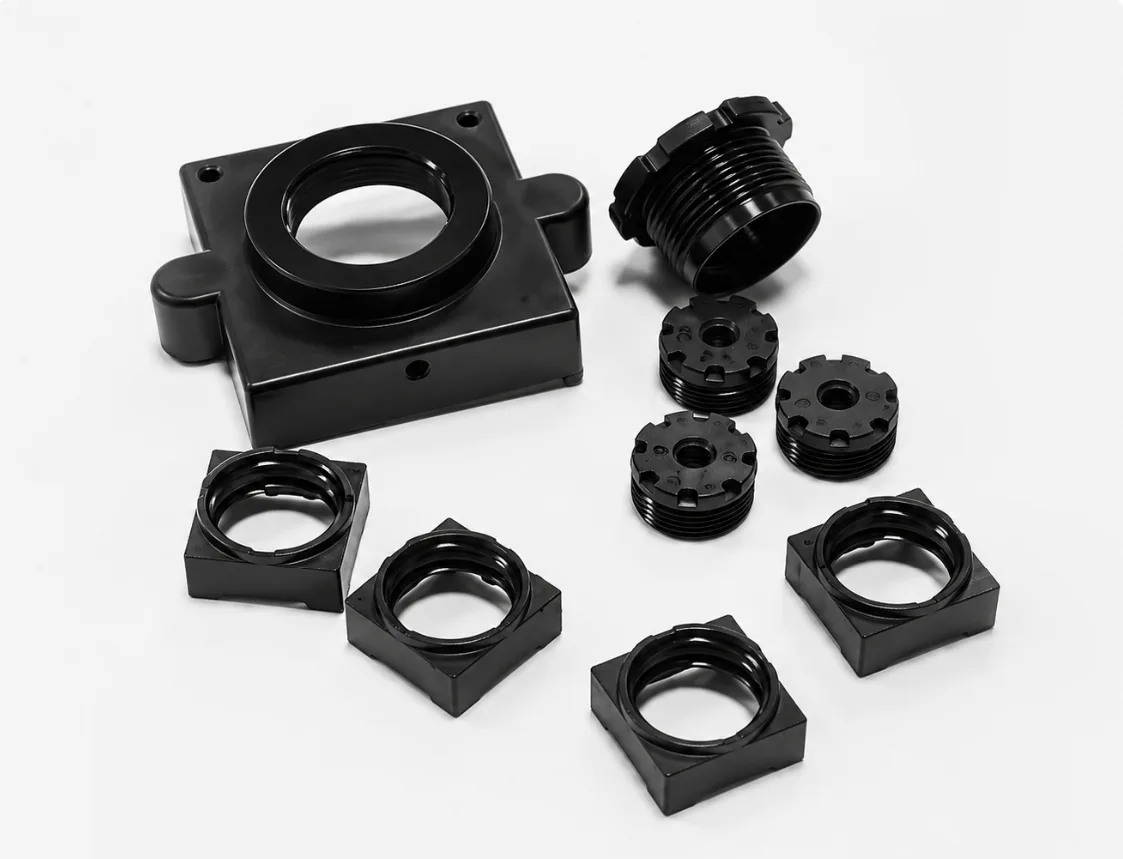
Why Choose Ecostel for Custom Injection Molding?
At Ecostel, we make injection molding simple, reliable, and scalable. From tooling and material selection to production and quality assurance, we help bring your plastic parts to life with confidence.
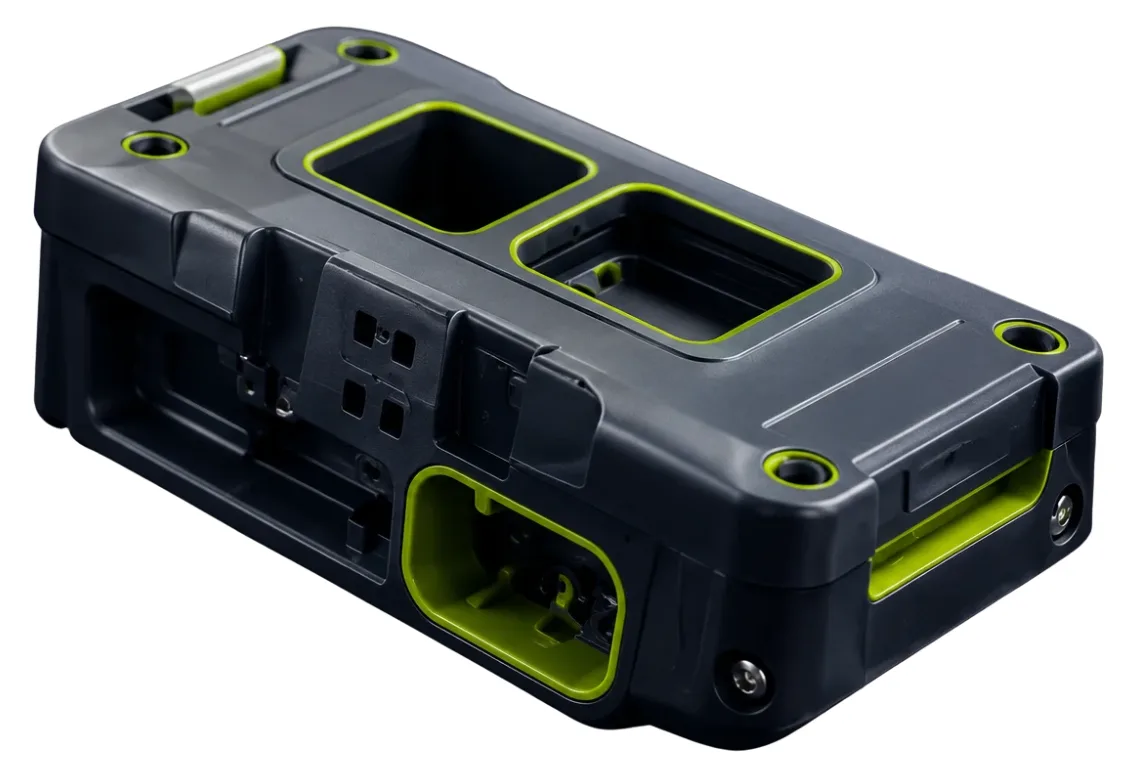
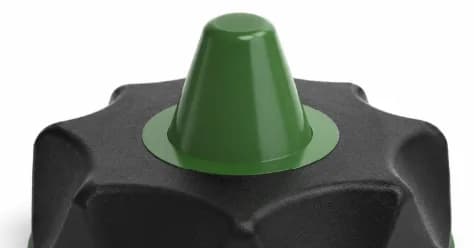
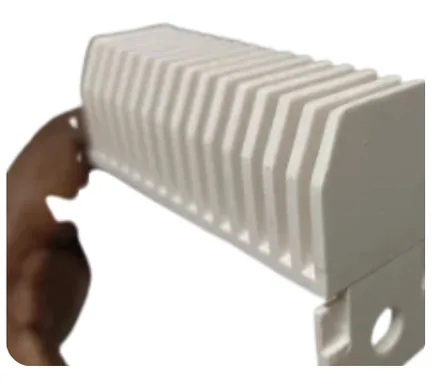
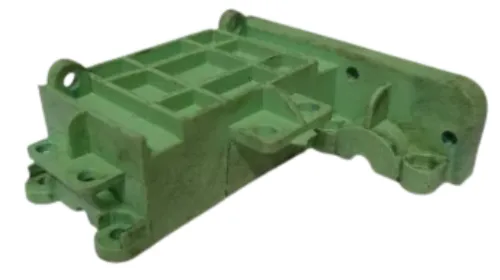
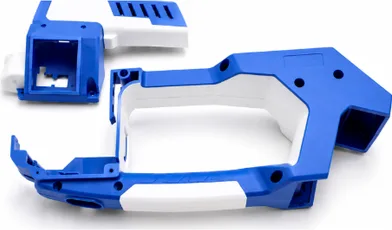
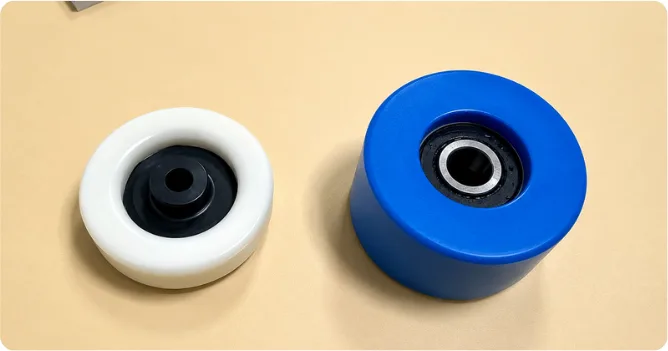
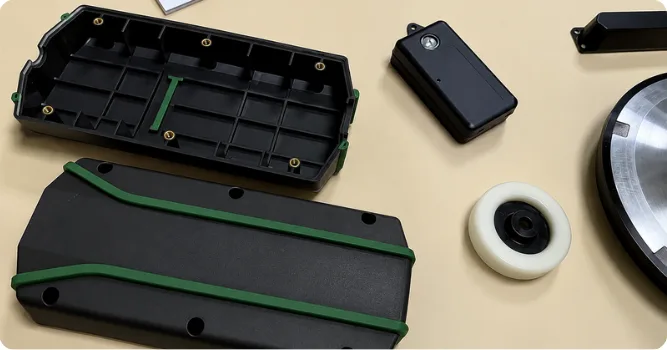
Plastics Photos
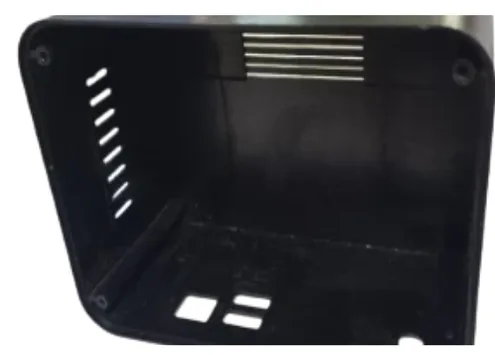
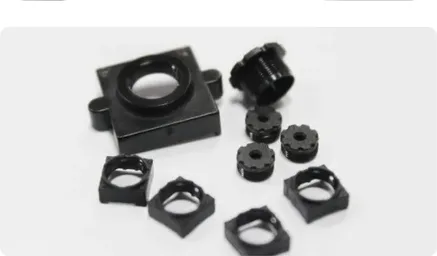
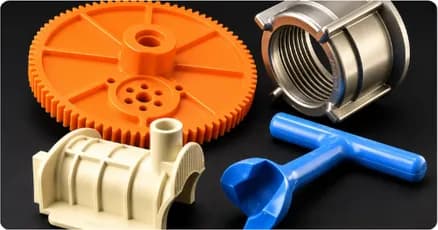
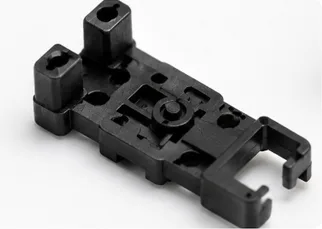
Related Articles
Injection Moulding FAQs
A manufacturing process where molten plastic is injected into a mould to create repeatable production parts.
When you need production quantities, consistent quality, and lower per-part costs at scale.
Common options include ABS, PP, PC, Nylon, TPU, POM, PMMA, and other engineering plastics.
MOQ depends on tooling and production requirements. Both low-volume and mass production are possible.
Costs depend on tooling, material, part complexity, and production volume.
Lead times vary by project, but most programs include tooling, sampling, and production stages.
Yes. Prototype and bridge tooling are available for product validation and pilot runs.
Yes. A custom mould is required to manufacture injection-moulded parts.
Production moulds can typically produce thousands to millions of parts with proper maintenance.