
Processes
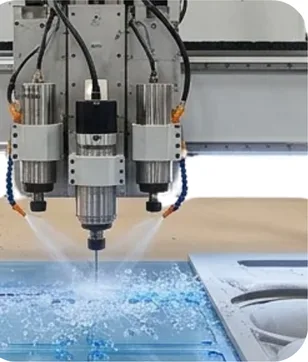
Finishing
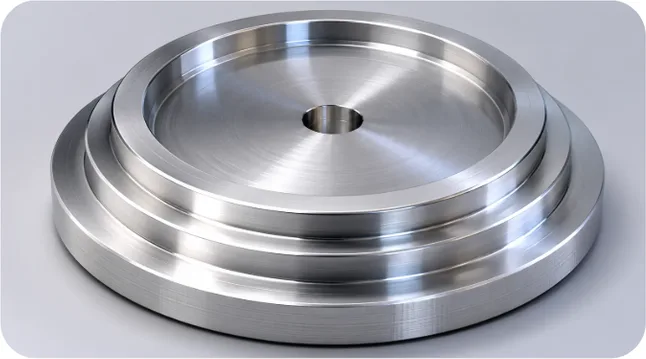
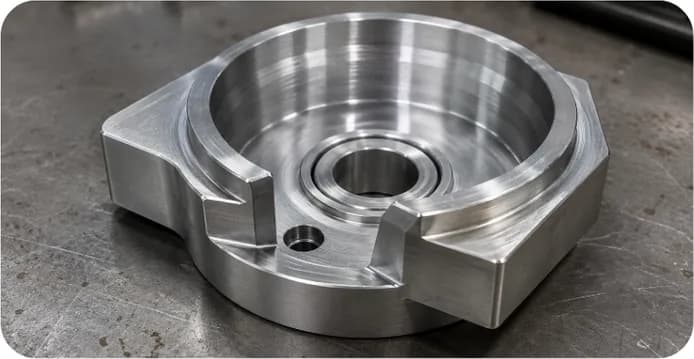
Every part can be post-processed to meet surface, aesthetic, and functional requirements before it ships.
- Anodizing
- Powder Coating
- Hard Anodizing
- Electroplating
- Black Oxide
- Bead Blasting
- Polishing
- Tumbling
- Sandblasting
- Heat Treatment
- Plating
Quality Systems
Production Verified. Documentation Included.
- Certificate of Conformance
- First Article Inspection
- CMM)
- Material Test Reports
- Material Certifications
- RoHS Compliance
CNC Milling
CNC Turning
CNC MATERIALS
Material capability overview: plastics, metals, ceramics & composites across the Ecostel manufacturing network.
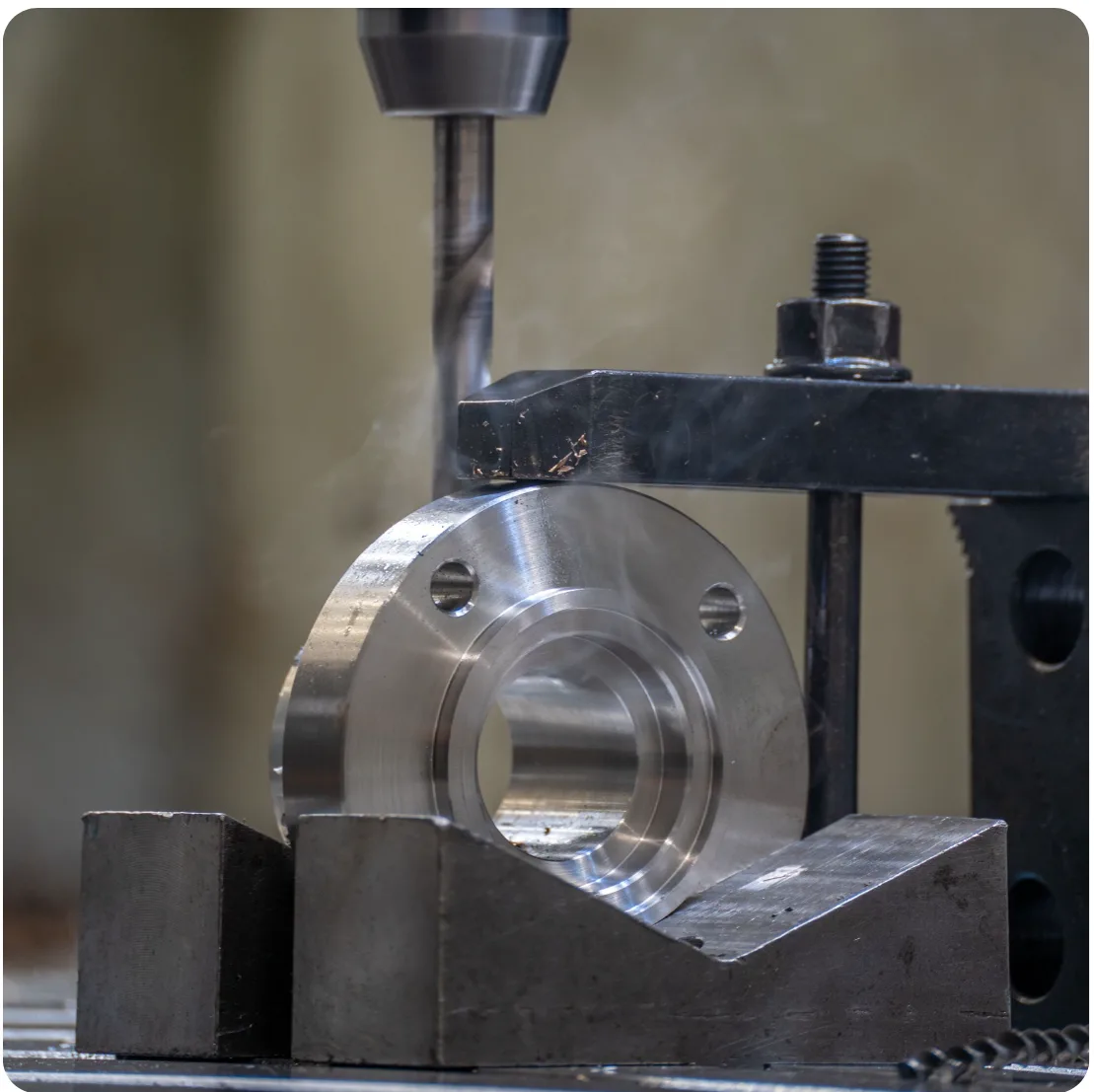
Plastics
ABSAcetal (POM / Delrin®)Acetal / POM (Polyoxymethylene)Delrin® (Acetal homopolymer)Acrylic / PMMAGlass-Filled NylonOil-Filled NylonHDPELDPEUHMW-PENylon 6Nylon 66 (PA66)Cast NylonPET (Polyethylene Terephthalate)PETG (Polyethylene Terephthalate Glycol)ETFEFEPPBT (Polybutylene Terephthalate)Polycarbonate (PC)PVCCPVC (Chlorinated Polyvinyl Chloride)PSU (Polysulfone)PPSU (Polyphenylsulfone)PFAPEI / Ultem® (Polyetherimide)PEEK (Polyether Ether Ketone)PTFE / Teflon® (Polytetrafluoroethylene)PVDF (Polyvinylidene Fluoride)Garolite G10Garolite G11PhenolicPolyimide (PI)Torlon® PAI (Polyamide-Imide)PBI (Polybenzimidazole)Celeron / Linen PhenolicPolystyrene (PS)LCPPESPCTFE
METALS
Aluminum 2024Copper C101Stainless Steel 304Stainless Steel 17-4 PHAluminum MIC-6Mild Steel 1018Steel 1045Beryllium Copper C172Tool Steel A2Alloy Steel 4140Stainless Steel 303Titanium Grade 2Titanium Grade 5 (Ti-6Al-4V)Tellurium Copper C145Brass C260Brass C360Phosphor Bronze C510Aluminum Bronze C954Bearing Bronze C932Inconel 625Monel 400Hastelloy C276Inconel 718Nickel 200Magnesium AZ31BMolybdenumAluminum 6061Aluminum 5052Aluminum 7075Stainless Steel 316Duplex Stainless Steel 2205Tool Steel D2Tool Steel H13Titanium Grade 23Aluminum 2017AAluminum 7050
CNC Machining Materials
Download Materials PDFNeed something beyond the catalog? We’ll source it for you.
From prototype to production, every part moves through verified manufacturing workflows built for speed, quality, and reliability.
Ecostel combines certified systems with production-ready manufacturing partners to deliver predictable outcomes at scale.
Ecostel Buyer Protection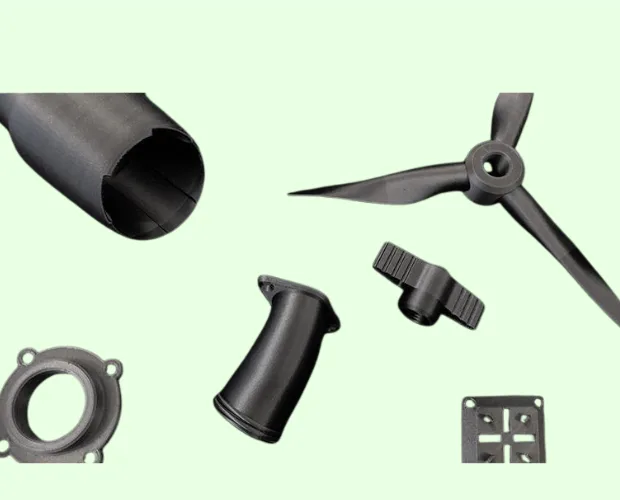
What is CNC Machining and How Does it Work?
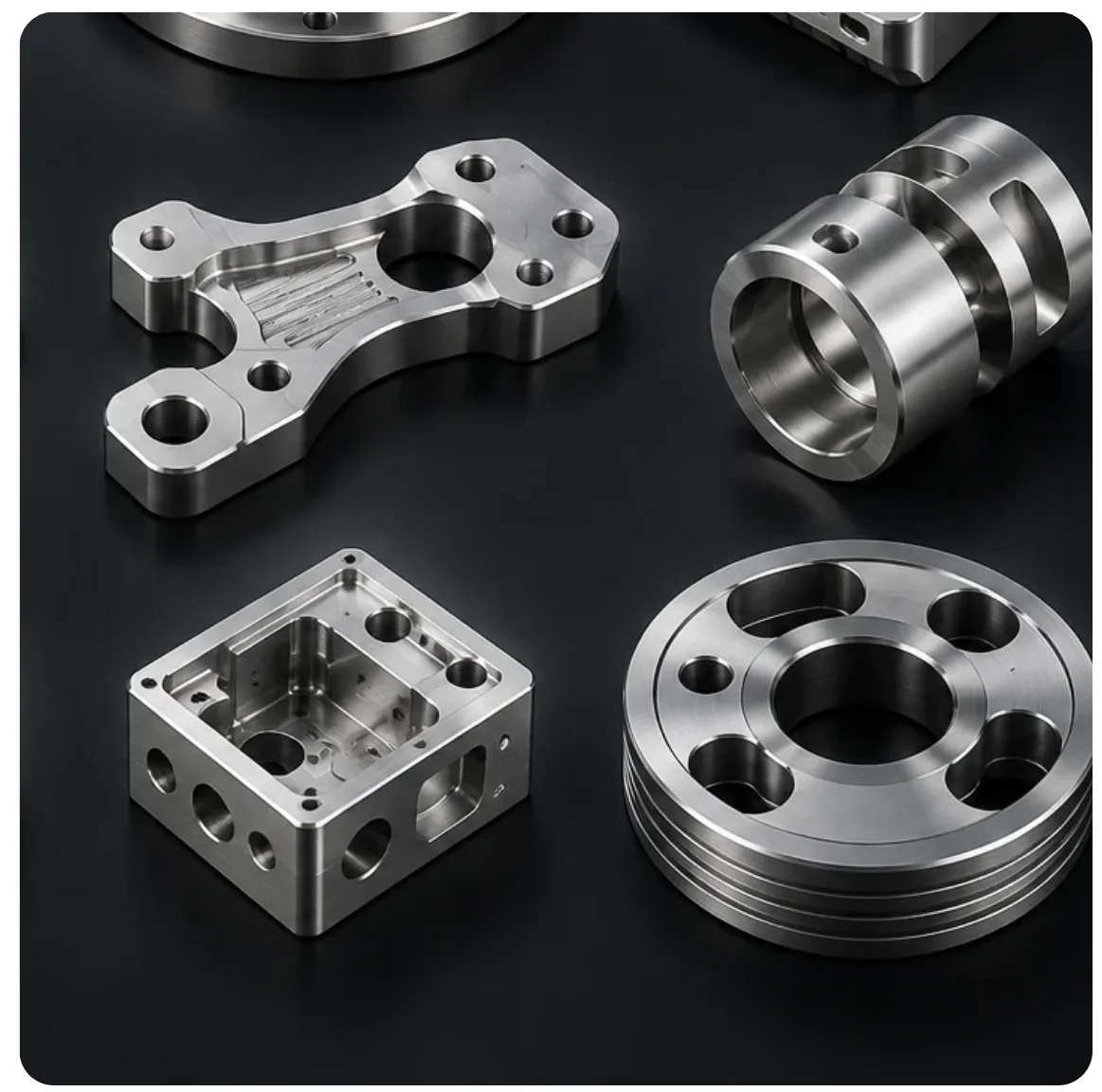
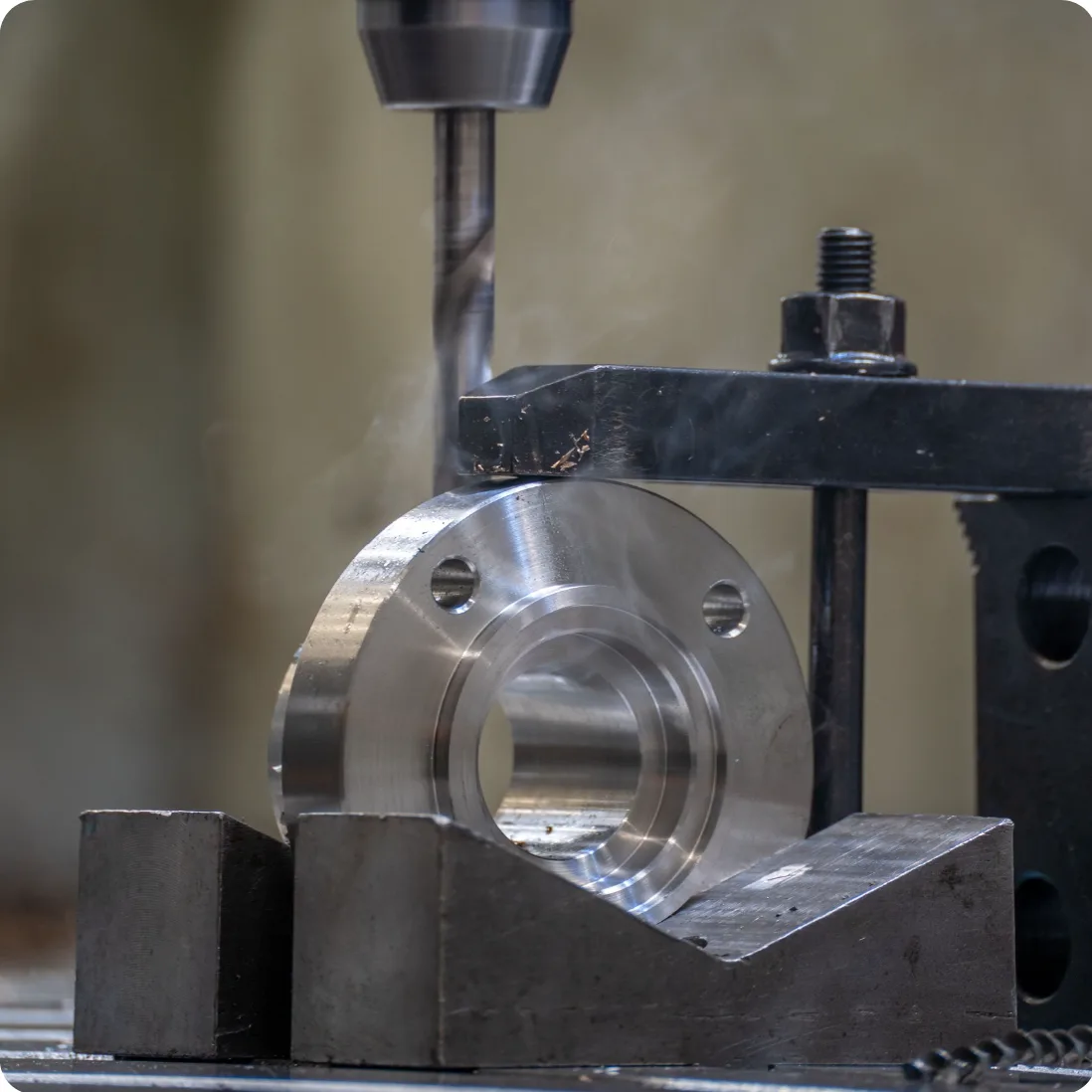
CNC (Computer Numerical Control) machining is an automated manufacturing process that uses computer-controlled machines and cutting tools to remove material from a solid block of metal or plastic, creating precise parts from a digital 3D CAD model.
Using programmed instructions called G-code, CNC machines can produce parts with high accuracy, repeatability, and minimal operator input. Common CNC processes include milling and turning, with machines available in 3-axis, 4-axis, and 5-axis configurations for different levels of complexity.
CNC machining is widely used for prototypes and production parts across industries such as aerospace, automotive, medical, and electronics. In precise terms, it is a robotic sculptor that shapes raw material into finished components with exceptional precision.
Advantages
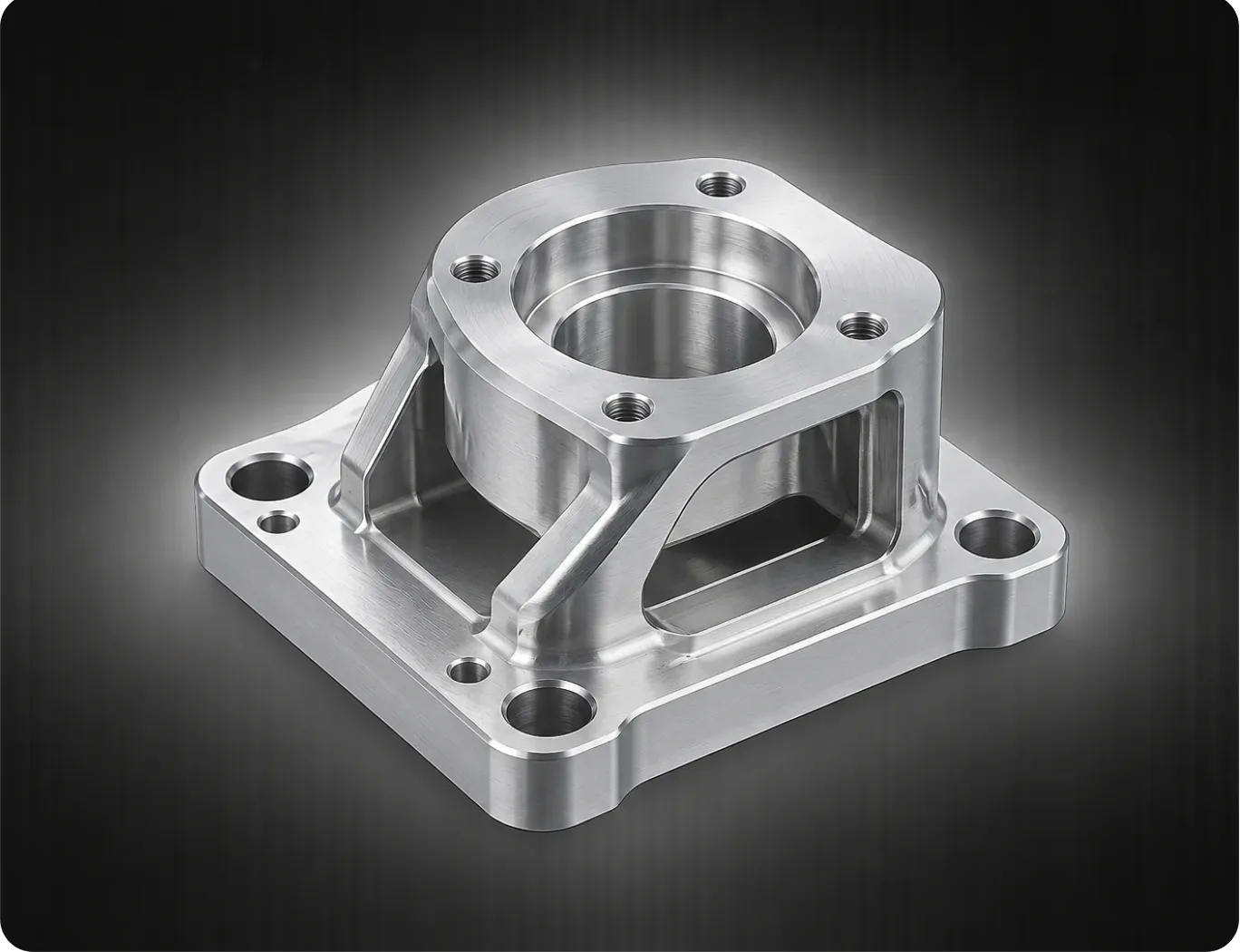
CNC machining offers high precision, repeatability, and versatility across a wide range of materials. Its automation enables fast production, complex geometries, and consistent quality from prototypes to production parts.
- High precision and tight tolerances
- Consistent quality and repeatability
- Supports complex geometries
- Works with many materials
- Fast and automated production
- Suitable for prototypes and production
- Excellent surface finish
- Reduced human error
Applications
CNC machining is widely used to manufacture high-precision parts for industries such as aerospace, automotive, medical, electronics, robotics, and industrial equipment.
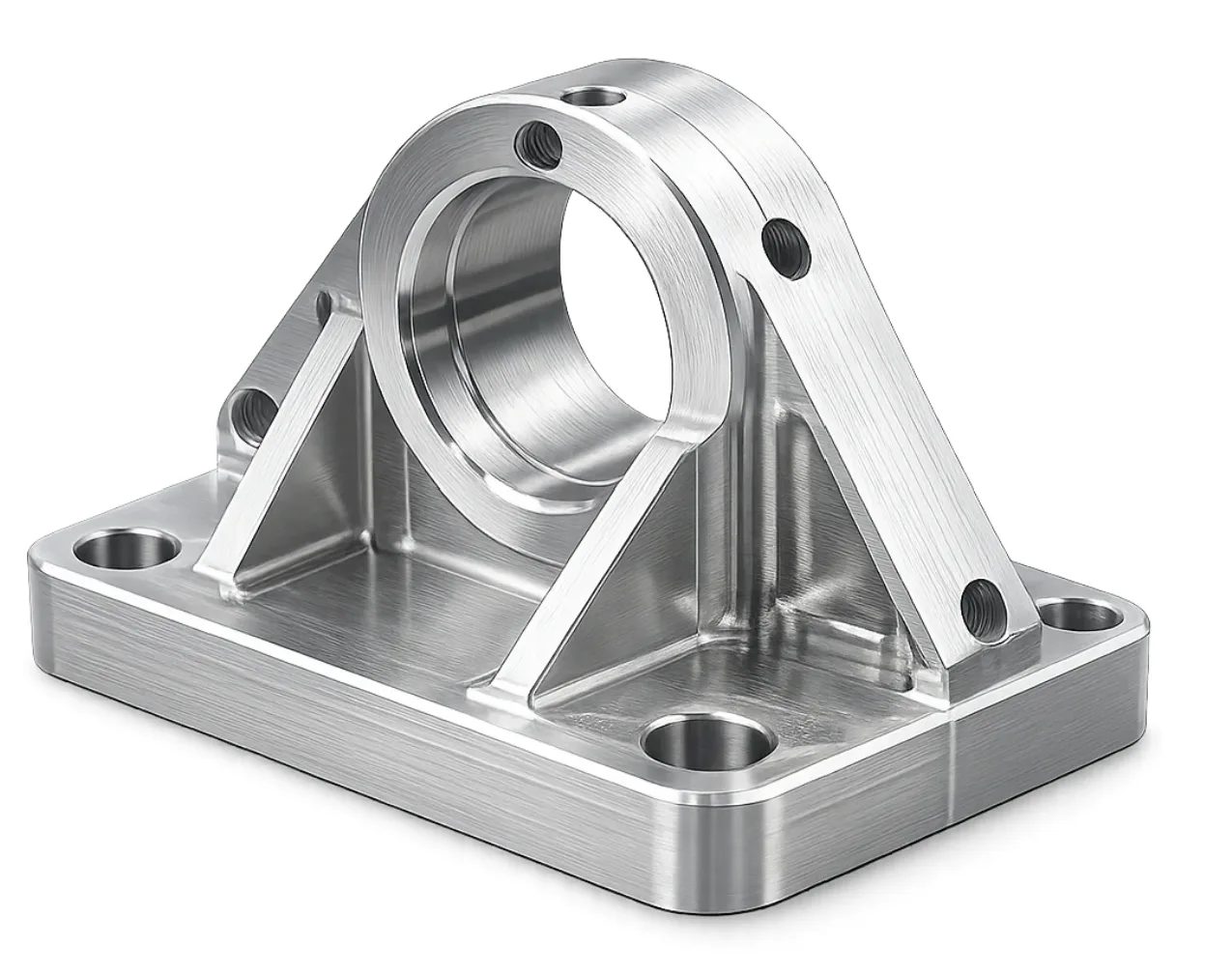
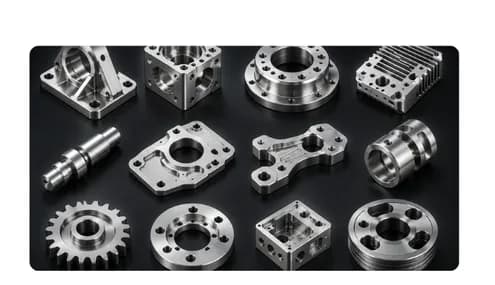
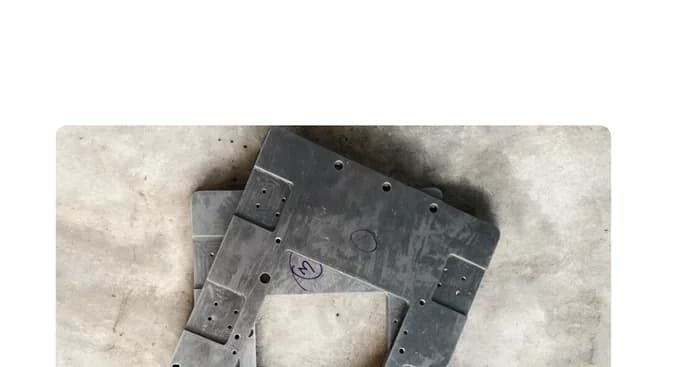
- Brackets and housings
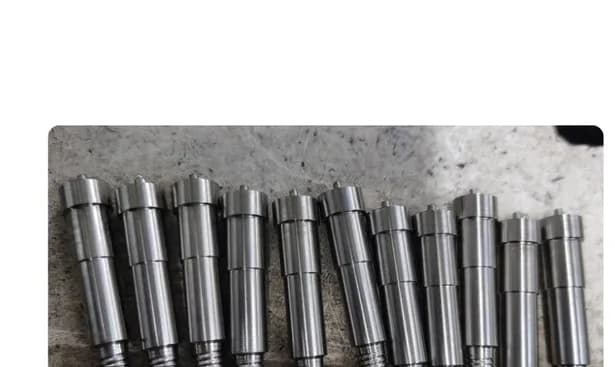
- Gears and shafts
- Enclosures and casings
- Heat sinks
- Manifolds
- Fixtures and tooling
- Connectors and fittings
- Impellers and turbines
- Precision fasteners
- Prototypes and custom parts
How Our Online CNC Machining Service Works
Getting CNC machined parts is simple. Upload your 3D CAD files and technical drawings, and receive a quote along with manufacturing feedback often within hours.
Review pricing, lead times, materials, and quantities, then choose the option that best fits your needs. Collaborate with our team to refine designs, incorporate DFM feedback, and move from prototype to production.
From Prototype to Production
From one-off prototypes to production volumes, Ecostel supports every stage of your manufacturing journey.
Our engineering team ensures consistent quality, precision, and reliability — from the first article to full scale production.
Production Volumes
- Prototype: 1–10 parts
- Low-volume: 10–1,000 parts
- Production: 1,000+ parts
Why Choose Ecostel for Custom CNC Machining?
At Ecostel, we use advanced CNC machines to turn solid materials into precise, high-quality parts. From DFM review to manufacturing and delivery, we handle the entire process so you can focus on your product.
Our team ensures quality, consistency, and on-time delivery from prototype to production.
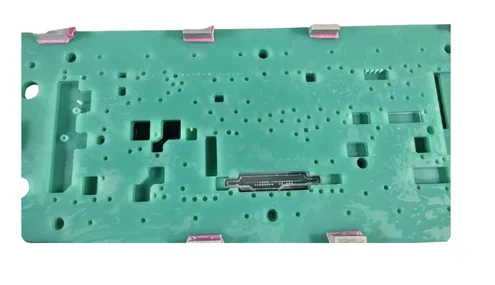
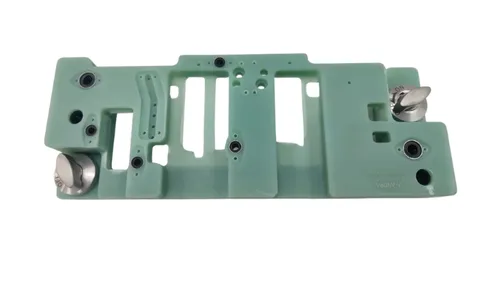
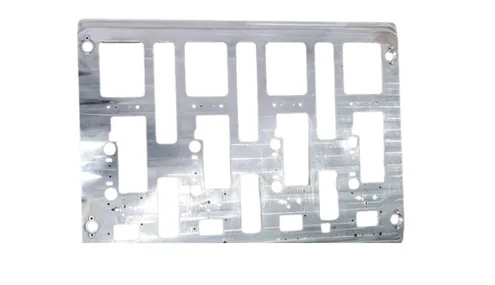
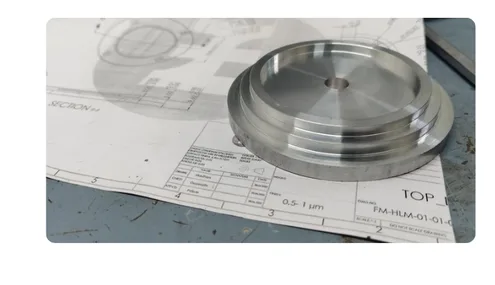
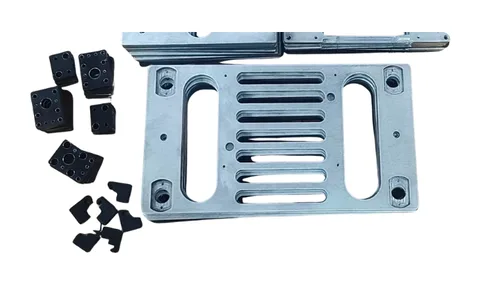
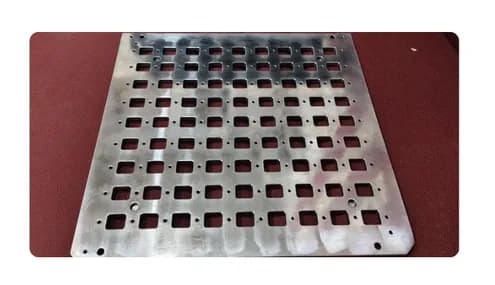
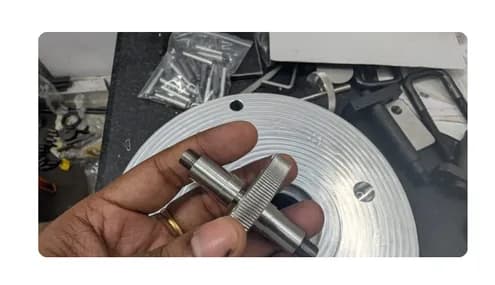
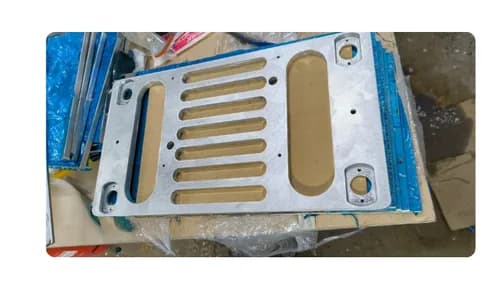
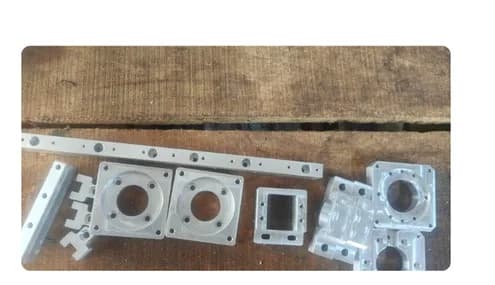
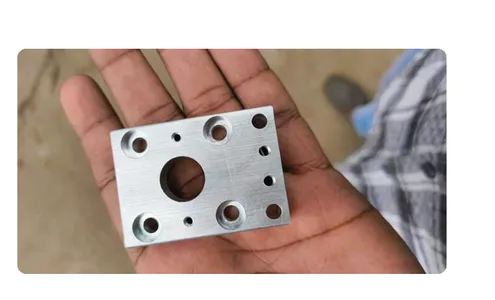
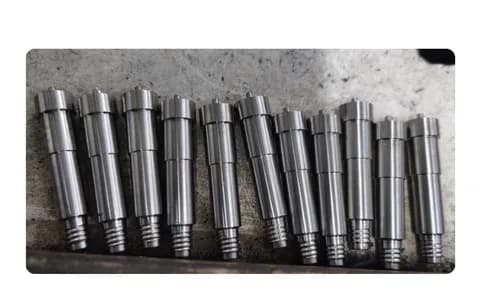
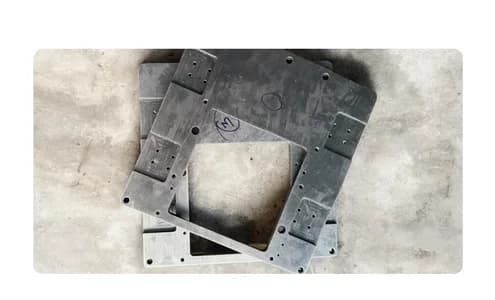
CNC Machining Photos
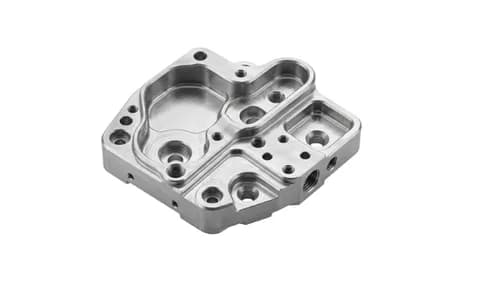
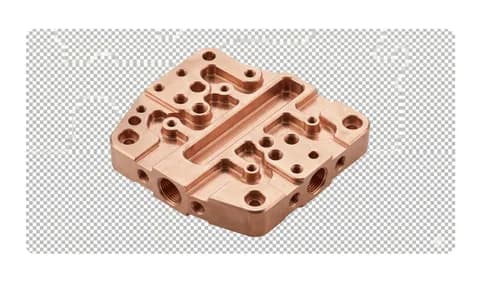
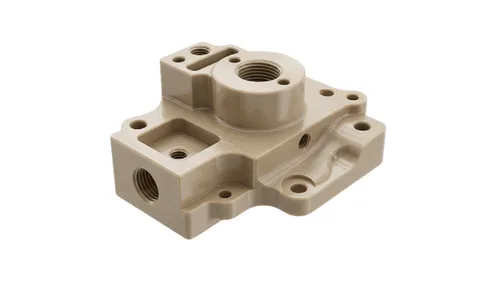
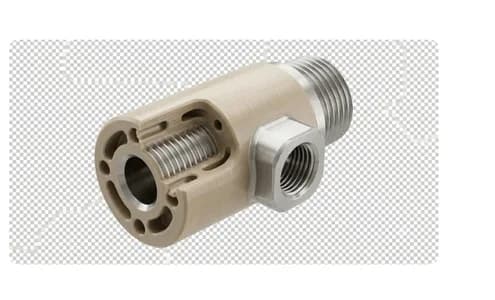
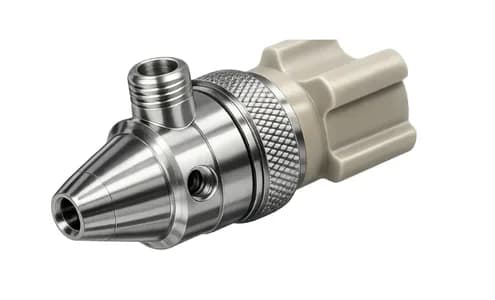
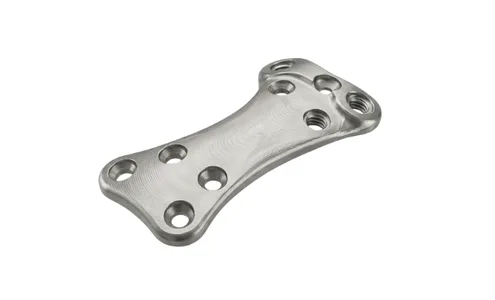
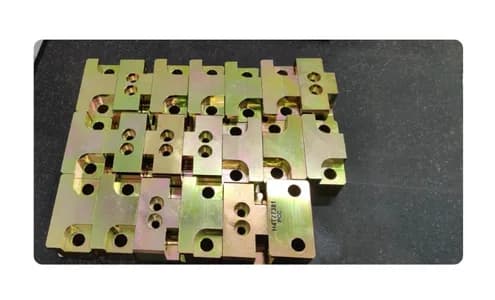
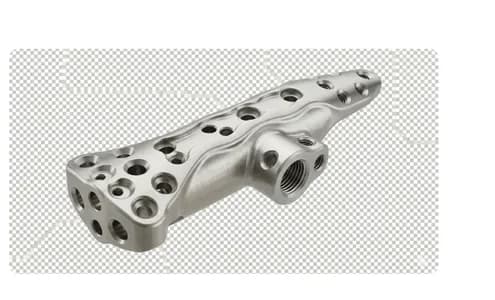
Related Articles
CNC Machining FAQs
CNC is the technology (computer-controlled machining); VMC is a specific machine type — a CNC machine with a vertical spindle that cuts from above. HMC has a horizontal spindle, suited to heavy or multi-sided parts.
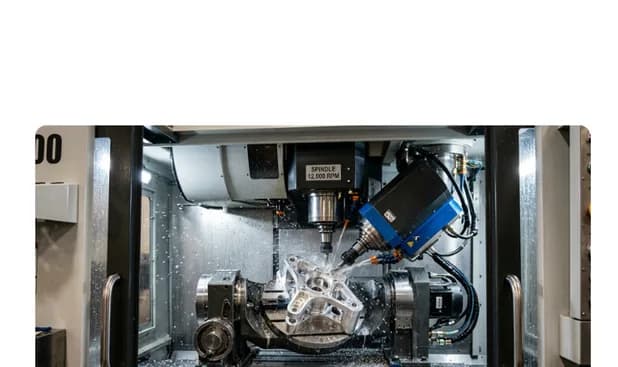
The tool moves on 3 linear axes (X, Y, Z) plus 2 rotary axes (A, B), reaching the part from any angle in one setup. 3-axis machines only move linearly, so complex geometries require multiple setups and repositioning.
G-code controls movement: positioning, feed rate, and tool paths. M-code controls machine functions: coolant on/off, tool changes, spindle start/stop. Both work together in a single CNC program.
Spindle speed (RPM) and feed rate depend on material and tool: harder material means slower speeds; carbide tools handle higher speeds than HSS. Use a feeds-and-speeds calculator as a starting point, then fine-tune with test cuts.
Milling: the cutting tool spins while the workpiece stays fixed — ideal for complex shapes, pockets, and flat surfaces. Turning: the workpiece spins while the tool stays fixed — best for round, cylindrical parts like shafts and bushings.
Most metals (aluminum, steel, stainless, brass, titanium, copper) and engineering plastics (ABS, nylon, PEEK, Delrin, polycarbonate), plus wood and foam. Material selection depends on mechanical requirements, tolerances, and finish.