
3D Printing Technologies
From rapid prototypes to production-ready metal parts. Ecostel matches your requirements to the right process, every time.
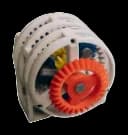
Fused Deposition Modeling
Layer-by-layer thermoplastic extrusion. Fast, affordable, and ideal for functional prototypes and end-use parts across a broad material range.
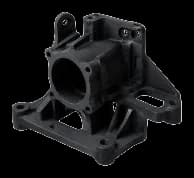
HP Multi Jet Fusion
HP's powder-bed process delivers production-grade nylon parts with consistent mechanical properties, fine surface detail, and no support structures.
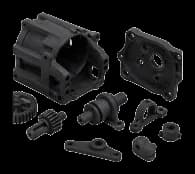
Selective Laser Sintering
Laser-fused powder builds complex geometries without support structures. Isotropic mechanical properties for functional testing and end-use applications.
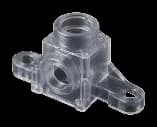
Stereolithography
UV-cured photopolymer resin delivers the finest feature resolution and smoothest surfaces, the benchmark for visual models and high-precision parts.
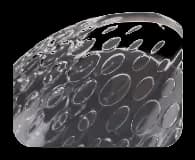
PolyJet
Multi-material inkjet process for parts with simultaneous rigid and flexible zones. Ultra-fine detail with near-production color and shore hardness variation.
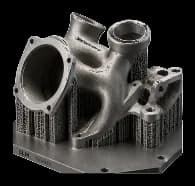
Selective Laser Melting
Direct metal laser sintering produces fully dense metal parts in titanium, steel, and aluminum. Aerospace and medical-grade output with complex internal geometry.
Finishing
Every part can be post-processed to meet surface, aesthetic, and functional requirements before it ships.
- Coating
- Plating
- Coloring
- Smoothing
- Machining
- Marking
- Texturing
- Polishing
- Heat Treatment
Quality Systems
Production Verified. Documentation Included.
- Certificate of Conformance
- First Article Inspection
- CMM)
- Material Test Reports
- Material Certifications
- RoHS Compliance
3D Printing Materials
Material capability overview: plastics, metals, ceramics & composites across the Ecostel manufacturing network.
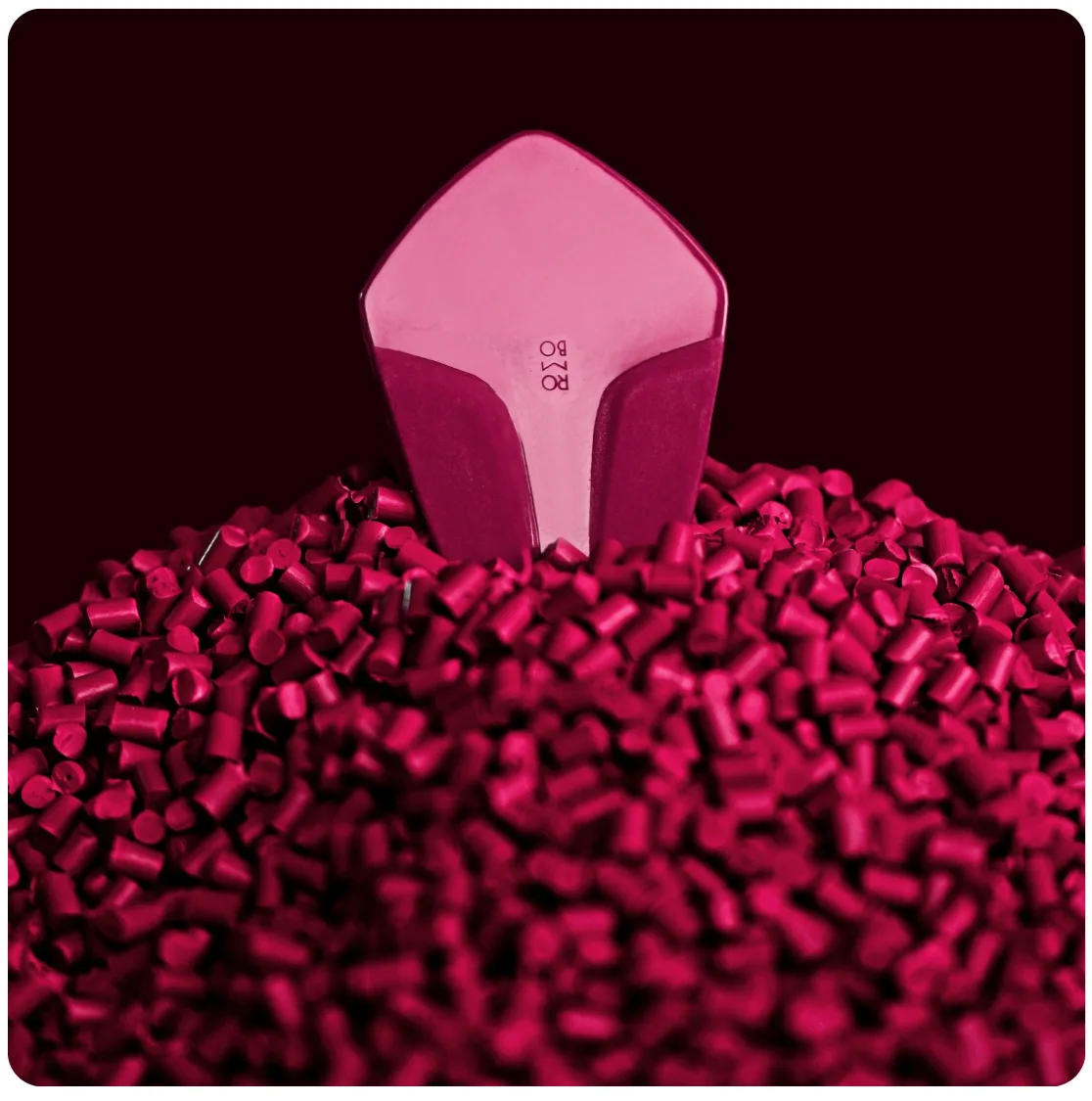
Plastics & Polymers
ABS
Durable, impact resistant - housing & Prototypes.
33 MpaPETG
Chemical resistant - mechanical enclosures
48.8 MpaPolycarbonate
High impact, structural transparent parts
60 MpaNylon 12
Dimensionally stable - production parts
69.3 MpaPEEK
Extreme thermal stability - medical implants
Aero-gradeUltem 9085
Flame Resistant - aircraft interiors
81 MpaResins & Composites
Tough Resin
Impact resistant - functional prototypes
EngineeringHigh Temp Resin
Heat resistant - mold tooling
ThermalBiomed Clear
Biocompatible - surgical visualization
69.3 MpaCarbon Fiber
Lightweight + rigid - aerospace structures
600-800 MpaOnyx (PA6+CF)
Carbon-reinforced - robotics fixtures
CompositeFiberglass
Reinforced composite - automotive systems
345 MpaMetals: Steel & Titanium
316L Steel
Marine & chemical corrosion resistance
485 Mpa17-4PH
High Strength & hardness - tooling
1310 MpaTool Steel H13
Thermal fatigue resistant - die tooling
1990 MpaTi6Al4V
High strength to weight - aerospace
950 MpaInconel 718
Extreme thermal resistance - turbines
1240 MpaTungsten Carbide
Ultra hard wear resistant - cutting tools
2200 HvExtensive Material Library
Download Materials PDFNeed something beyond the catalog? We’ll source it for you.
From prototype to production, every part moves through verified manufacturing workflows built for speed, quality, and reliability.
Ecostel combines certified systems with production-ready manufacturing partners to deliver predictable outcomes at scale.
Ecostel Buyer Protection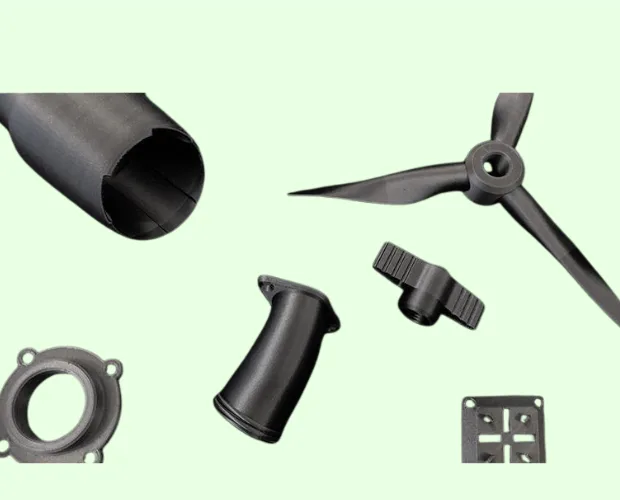
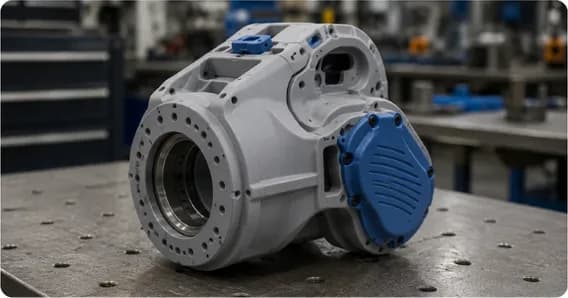
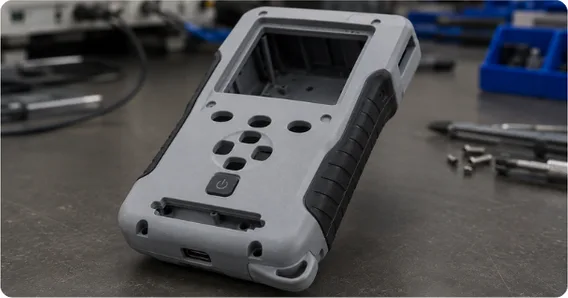
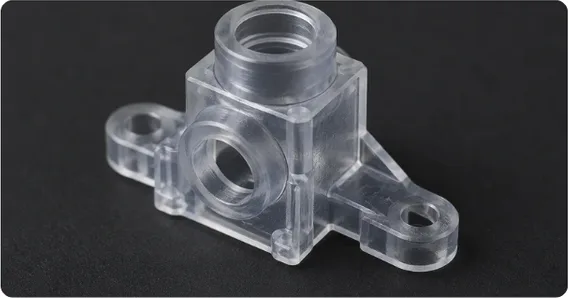
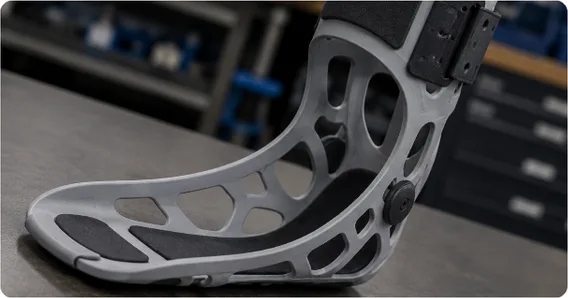
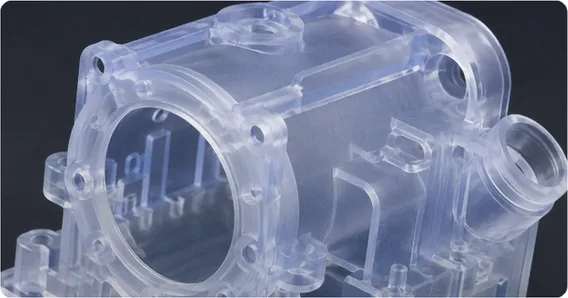
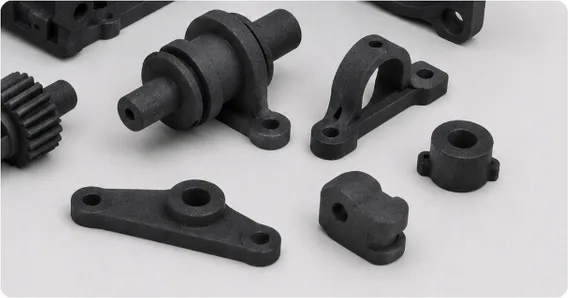
3D Printing Photos
Related Articles


3D Printing FAQs
It depends on your needs. FDM is best for affordable prototypes, SLA for high-detail parts, and SLS/MJF for strong functional components. The right choice depends on your requirements for strength, accuracy, finish, and cost.
The best material depends on your application. PLA is ideal for prototypes, PETG offers a balance of strength and durability, while Nylon and engineering-grade materials are better suited for demanding functional parts.
3D-printed parts can be strong enough for functional and end-use applications, depending on the material, design, and printing process.
3D-printed parts can achieve high accuracy, but tolerances vary based on the technology, material, and part geometry.
3D printing is widely used for prototyping, tooling, and low-volume production.
Choose 3D printing for complex geometries, rapid prototyping, and low-volume production. CNC machining is better for tight tolerances and high-strength metal parts.
Ecostel offers a range of 3D printing technologies, including FDM, SLA, SLS, and MJF, to support everything from rapid prototypes to production-ready parts.